Ventilation cleaning · home, apartment and HOA

Ventilation cleaning for private homes and apartments

We clean the ventilation in houses and apartments: round and flexible ducts, ceiling grilles, valves and the MVHR unit in the technical room. Here you can read what you can do yourself, what we carry out and how a visit to your home works.

  • A fixed price up front, work only starts afterwards
  • Intake based on photos of your own installation
  • Accessibility assessed in advance, unreachable parts named
Back to all ventilation work
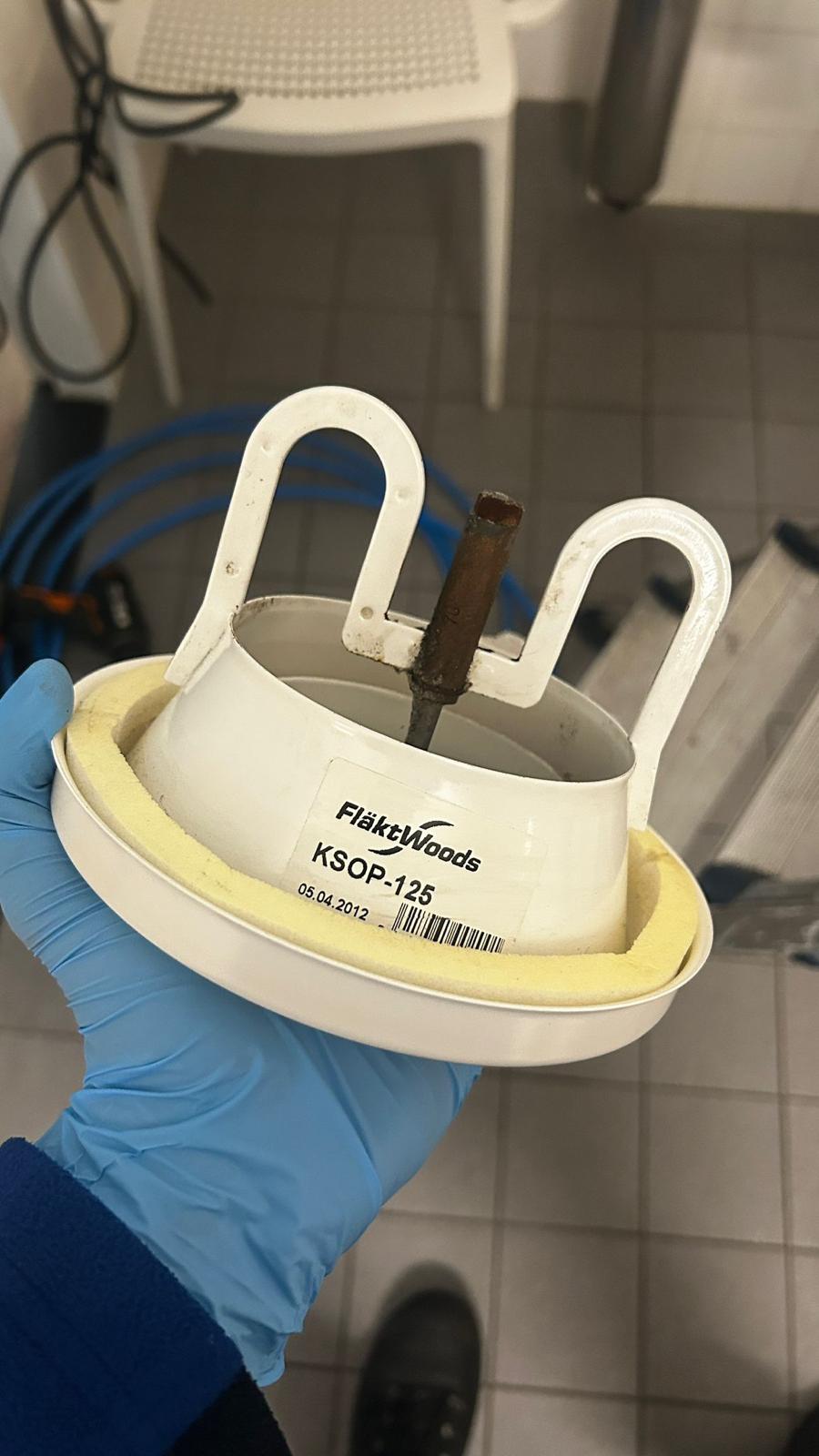
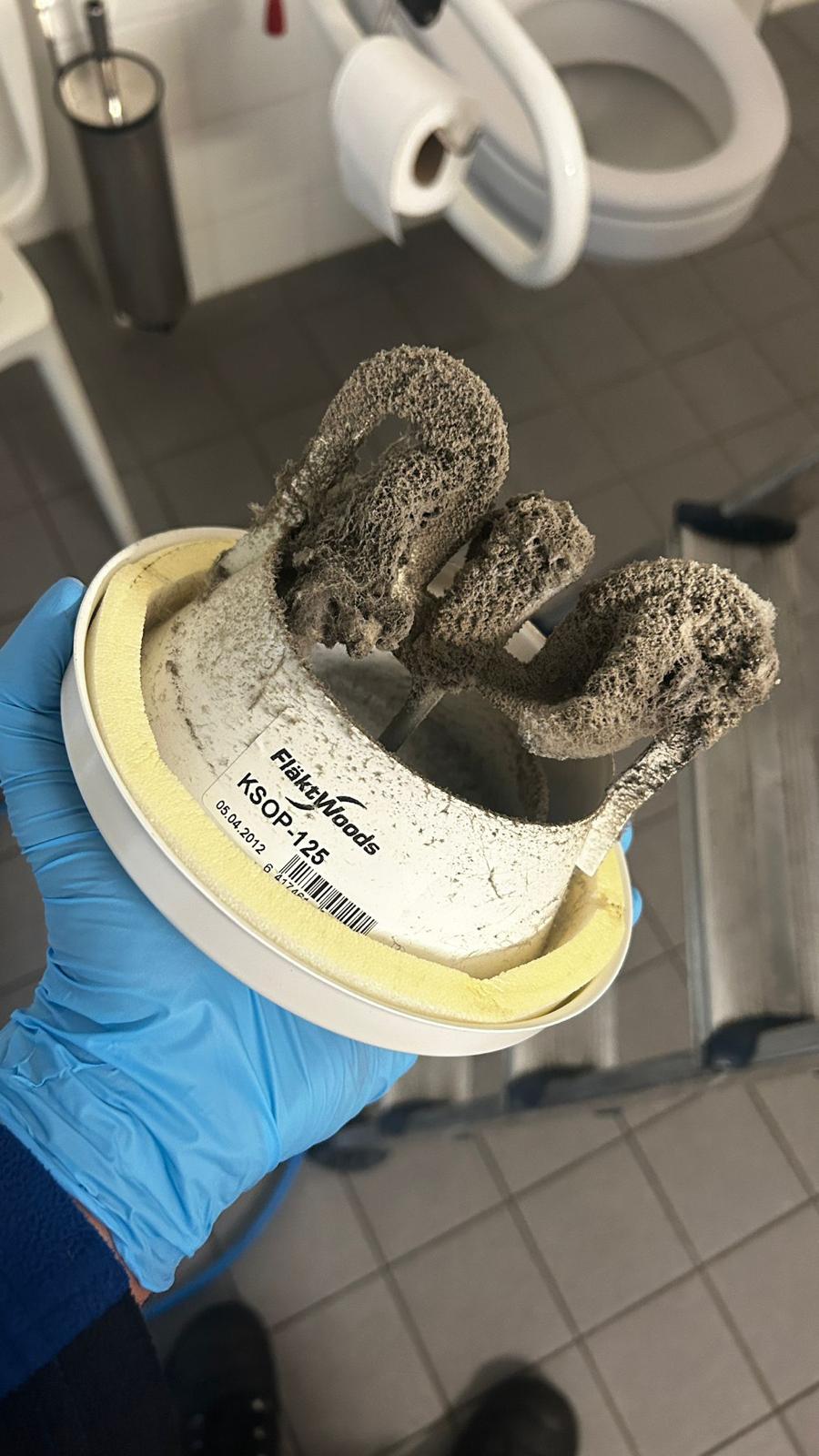
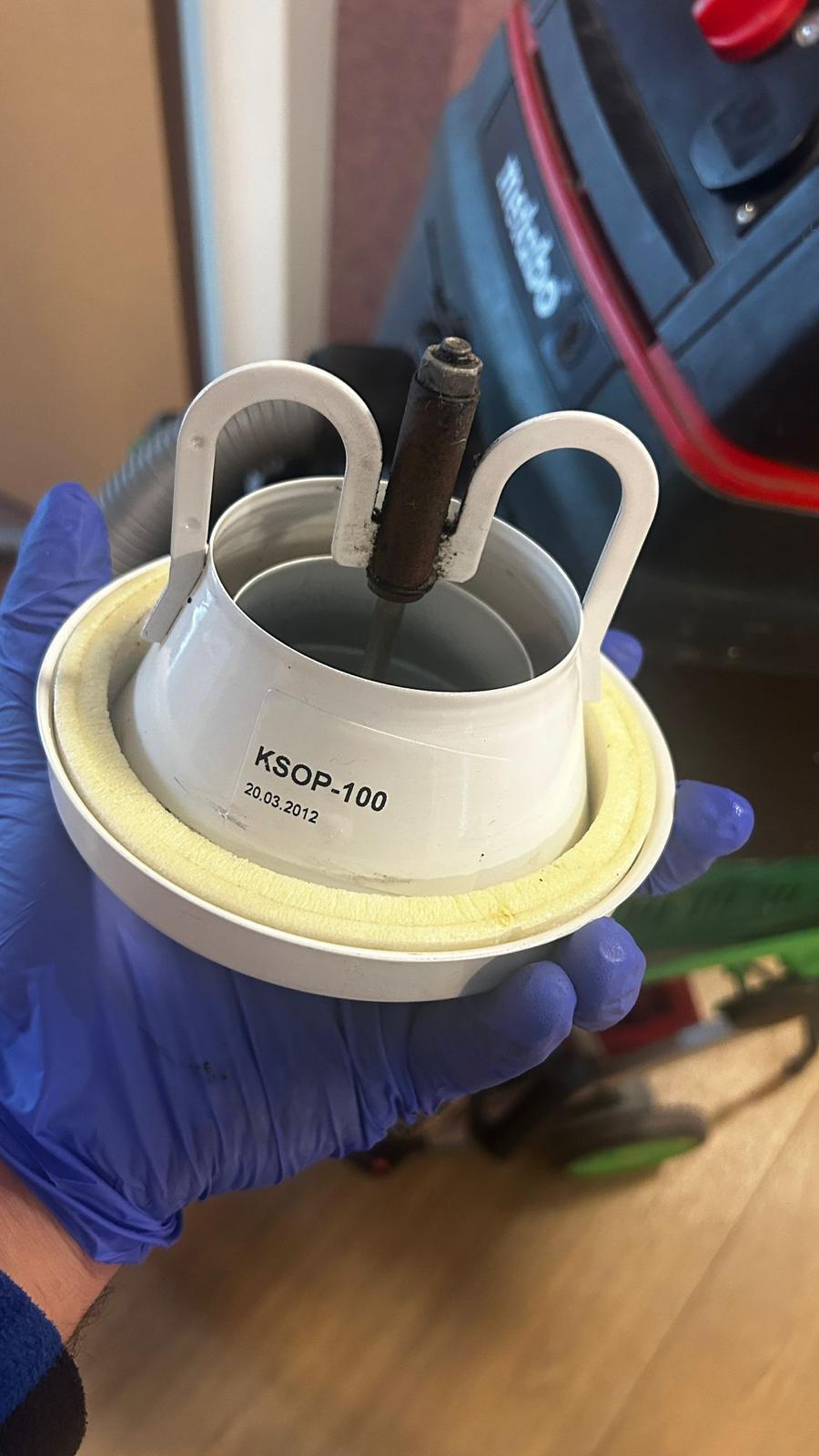
Removed ventilation valve shown in a gloved hand

Warning signs

What you notice at home

A contaminated system rarely announces itself straight away. It starts with subtle signs you have already seen or heard at home. If you recognise several of them, having the installation assessed is the logical next step.

  • Dust and lint on the valves

    The extract valves in the bathroom, kitchen or workroom often carry a visible layer of dust. Take the valve off and you see immediately how much has built up.

  • Noise when opening and closing

    A valve packed with dust opens and closes sluggishly. You hear that as a squeaking or grinding sound, especially in a quiet room such as the bathroom at night.

  • Less extraction in the room

    In a heavily soiled extract, less air is discharged per hour. You notice it mainly through moisture, odours and the sense that the air in the room never feels truly refreshed.

  • An MVHR or filter section that keeps loading up

    In an MVHR installation dust and fibres circulate through the system several times before being discharged. The valves in the unit and the filter section therefore load up faster.

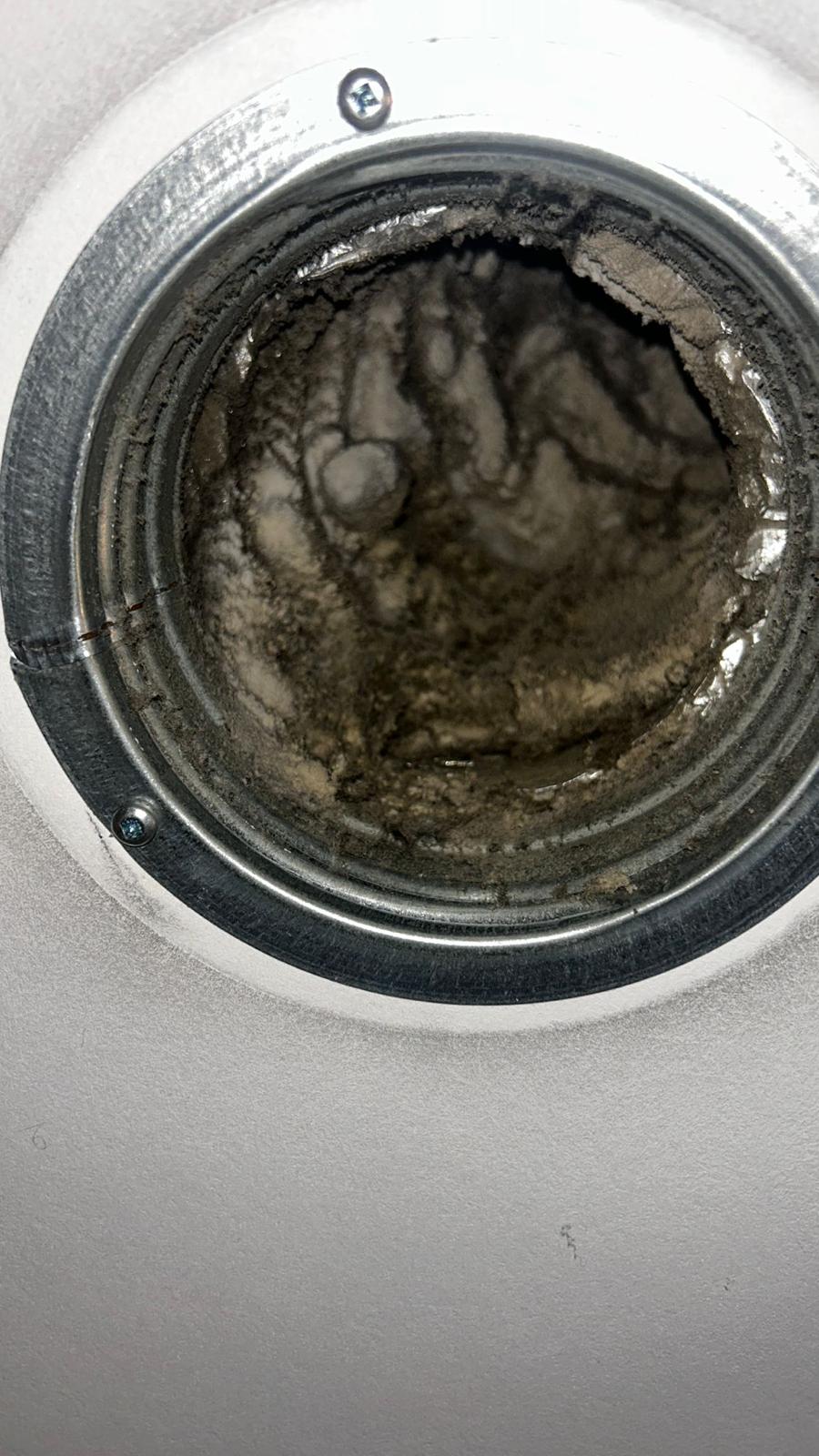
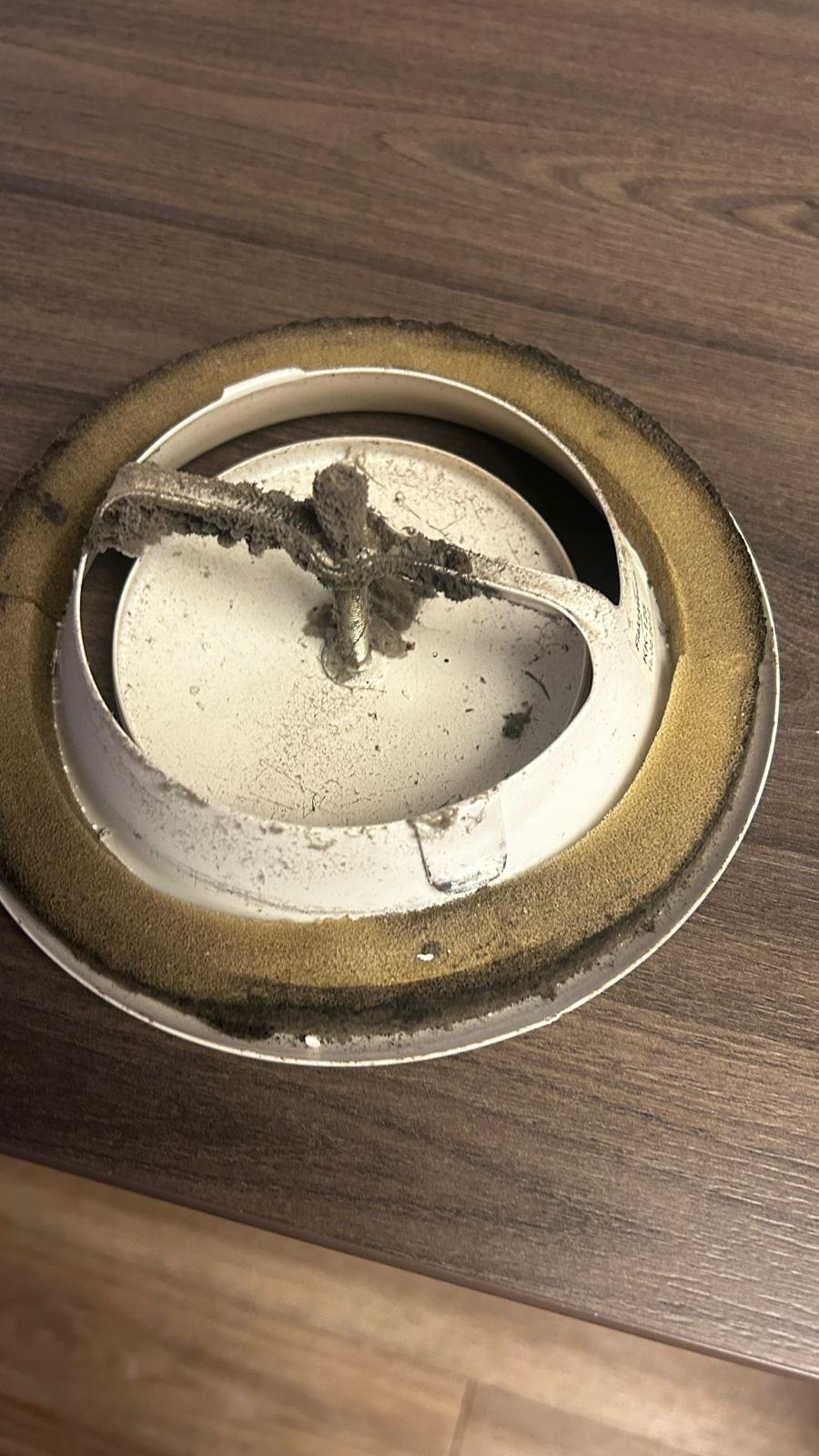
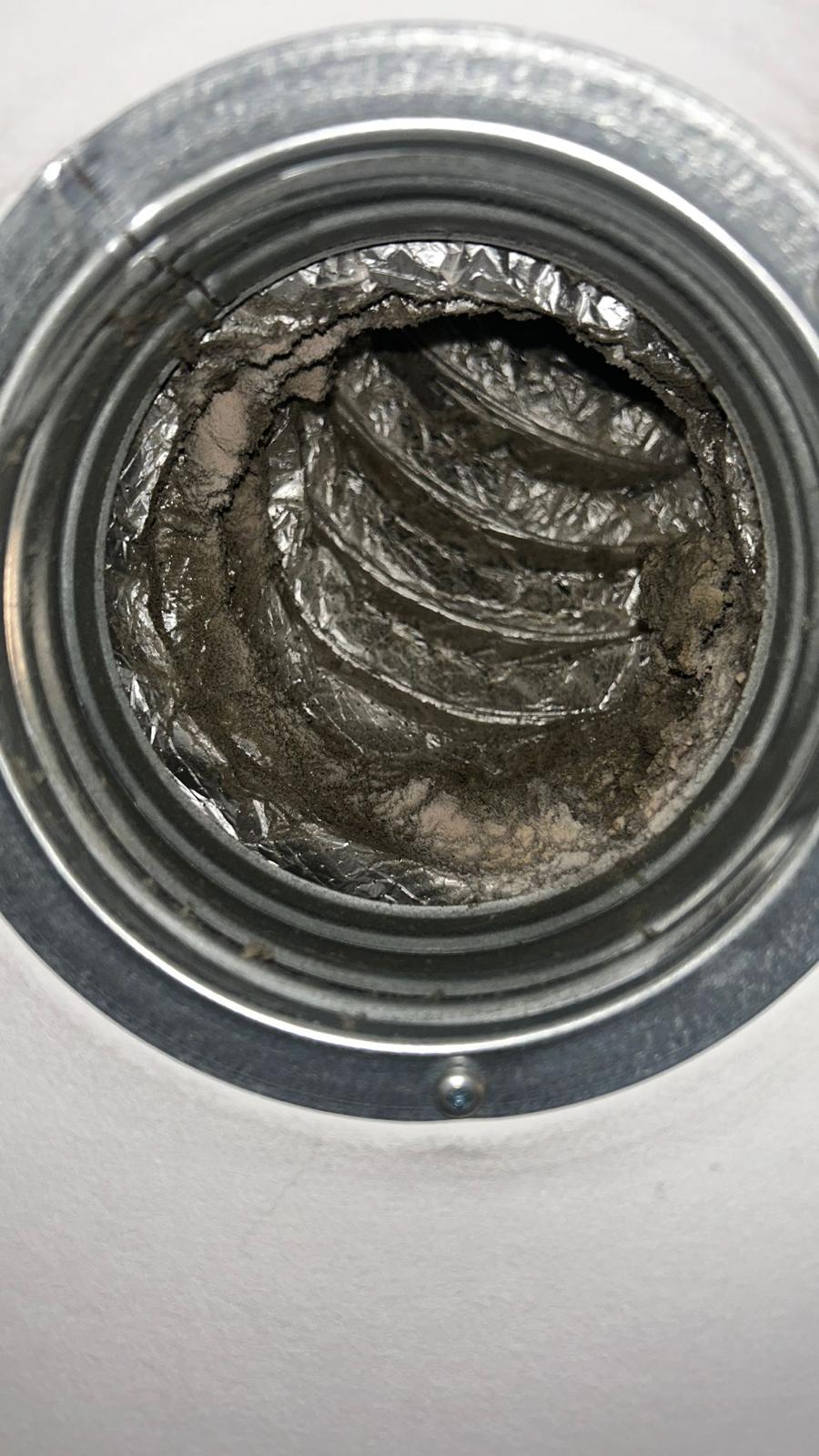
Interior of a circular ventilation opening with heavy dust buildup
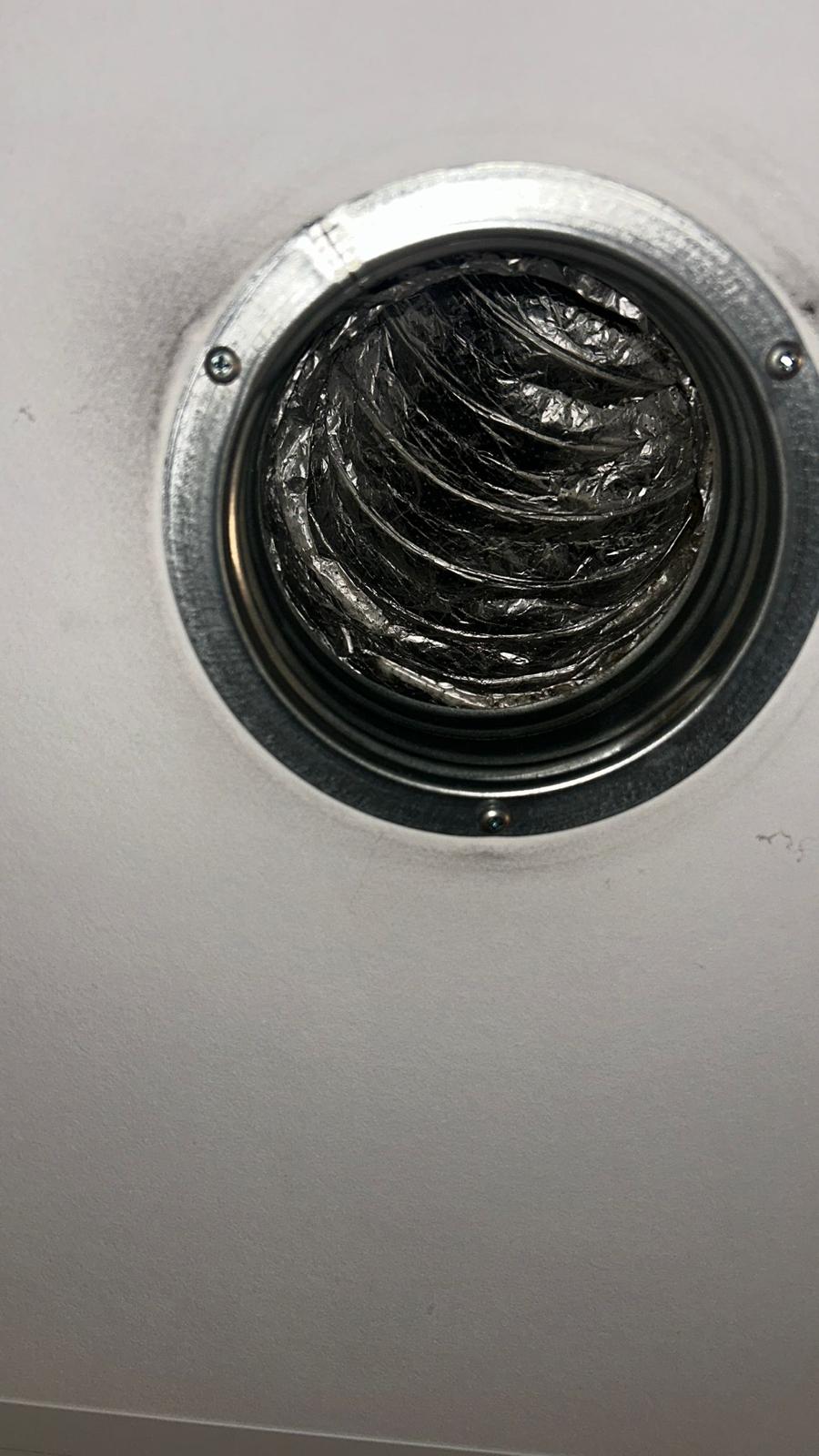
View into a circular ventilation opening with a dirty duct

Your home

What a home can contain in terms of ventilation

In a home you are usually dealing with a mechanical ventilation system or an MVHR installation. The ducts run through ceilings, service shafts and basements, and those are exactly the places that rarely get maintained.

  • Round and flexible ducts in ceilings, service shafts and technical rooms
  • Ceiling grilles and valves in living spaces, the bathroom and the kitchen
  • Valves, dampers and control parts in the technical room
  • MVHR installations with bypass, heat exchanger and filter section
  • Short flexible hose between the main system and the terminal grille

The heat exchanger of an MVHR installation is not opened; that requires a specialist treatment. We do clean the ducts, the valves and the internally accessible parts of the unit.

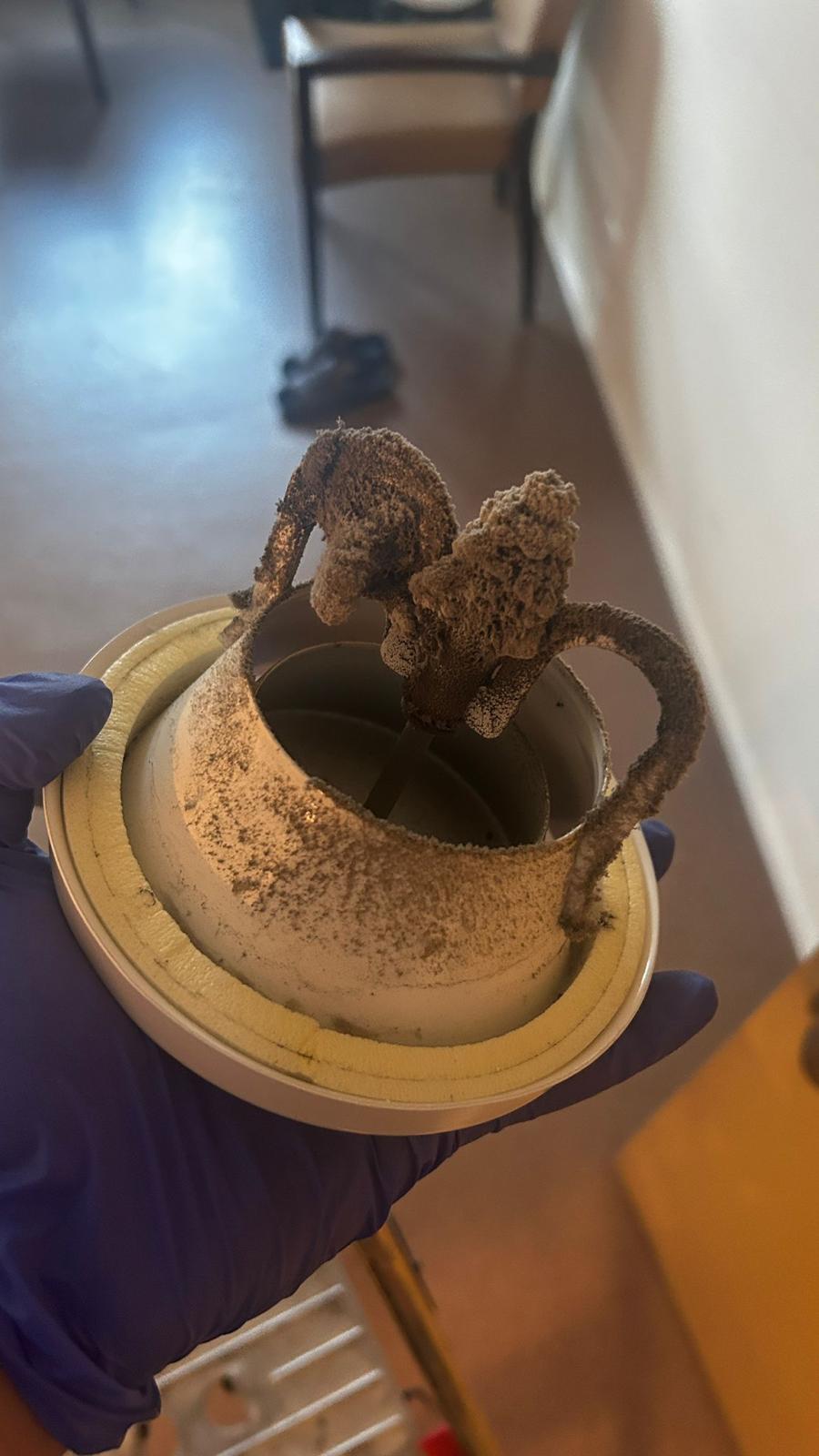
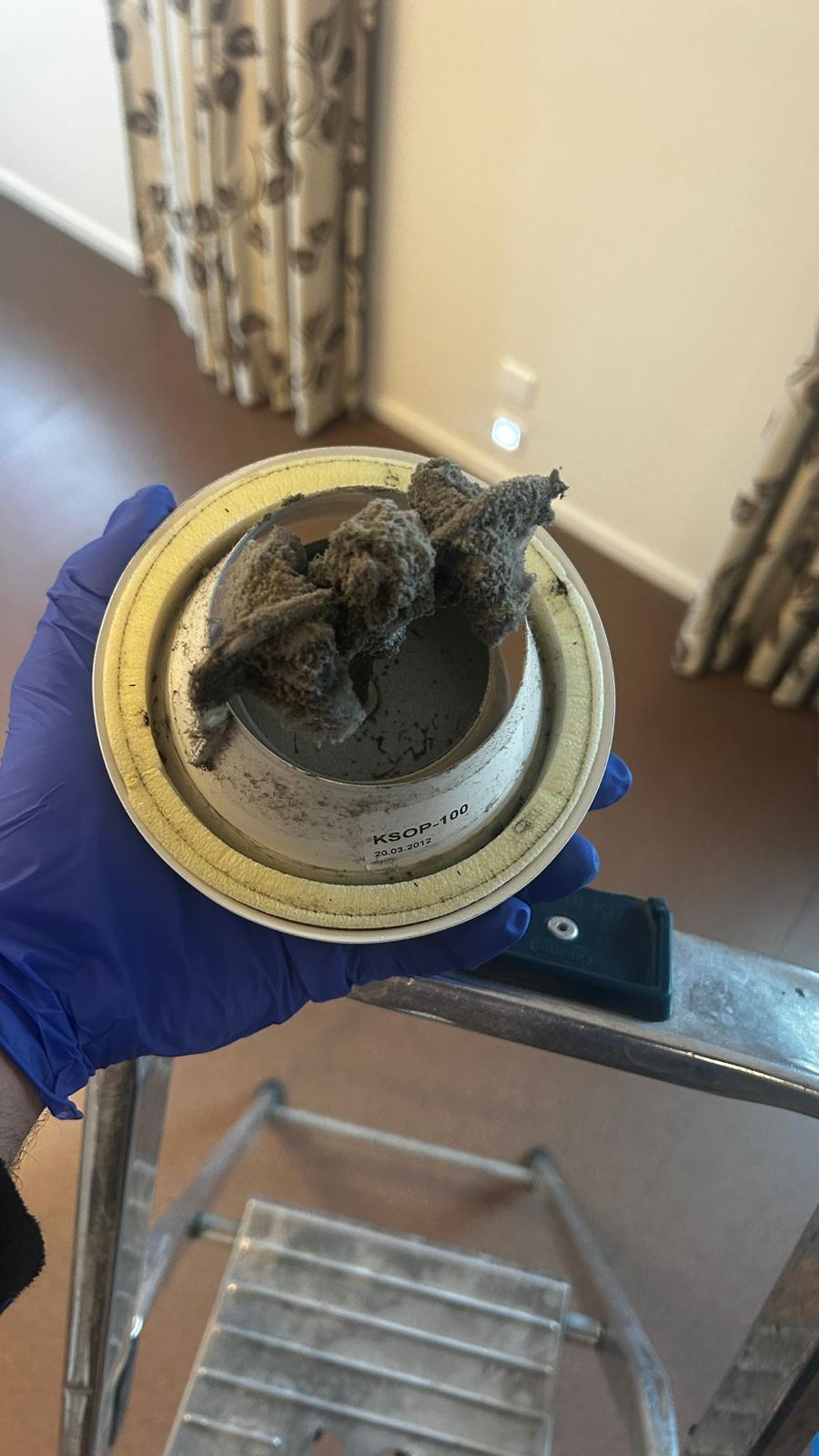
Ventilation valve with a large dust plug in its connecting section

Do it yourself or have it done

What you can do yourself and what we do for you

Part of the maintenance of a ventilation system belongs with the residents. Another part requires duct work, dismantling and technical access. Below we make that division as concrete as we can.

This you can do yourself

  • Wipe the dust from around the valves with a dry cloth or a soft brush
  • Check the filters in the filter section and replace them according to the manufacturer's schedule
  • Clear the service shafts, crawl spaces and the space above the ceiling
  • Free up the home or apartment and keep the technical room accessible on the working day

What you do yourself saves us time and keeps the price down. We do assess the filter condition, so you know which filters you need.

This is what we do

  • Cleaning of the ducts and connections that are technically reachable
  • Cleaning of grilles, valves and dampers, including putting them back
  • Cleaning of the accessible MVHR parts, such as the valves in the unit and the filter section
  • Assessing accessibility, contamination and the condition of the filters
  • A photo report of the work carried out

We only work on the parts listed in the agreed scope. What is unreachable or cannot be treated safely is named, not quietly skipped.

How it works

How a visit to your home works

We work in four fixed steps. You know in advance what happens, what to expect and what you need to do yourself.

  1. 01

    Photo intake

    You send photos of the rooms with the grilles, of the technical room and of the MVHR unit. From those we assess the type of system and how accessible it is.

  2. 02

    Assessment and scope

    We look at which ducts and valves can be reached, how much contamination is visible and which parts fall outside scope. We explicitly add that last part.

  3. 03

    Fixed price up front

    You receive the scope on paper with a fixed price. We only start after your approval. If we encounter extra work along the way, we discuss it with you first.

  4. 04

    Execution and photo report

    We clean the agreed components, put the grilles and valves back in place and deliver photos of the work carried out.

In a tenant situation, permission from the landlord or the HOA is required before we start. We cannot arrange that permission for you, but we can assess the installation as soon as you have it.

Limits

What we commit to

A ventilation system in a home is not equally accessible in every home. We say up front what can and cannot be done, instead of explaining it afterwards.

  • Ducts that are only reachable through a service shaft or a cut opening fall outside scope. We name them in the report.
  • In an MVHR installation the heat exchanger is not opened; that requires a specialist treatment.
  • Replacing worn or broken parts is a separate supply and is agreed in advance.
  • We do not work on electrical installations or controls unless that has been explicitly agreed.
  • In a tenant situation, permission from the landlord or the HOA is required before we start.
  • From photos we can estimate contamination and accessibility well; a full assessment of hidden ductwork can only be made on site.

Field view

Components as we encounter them in practice

These photos show the components of a home ventilation system as we encounter them during an assessment. They are not intended as evidence of a specific assignment or location and deliberately do not show a cleaning result.

Round ventilation valve showing visible dust residues
Removed ventilation valve covered in a thick layer of dust
Rear of a ventilation valve with heavy dust accumulation
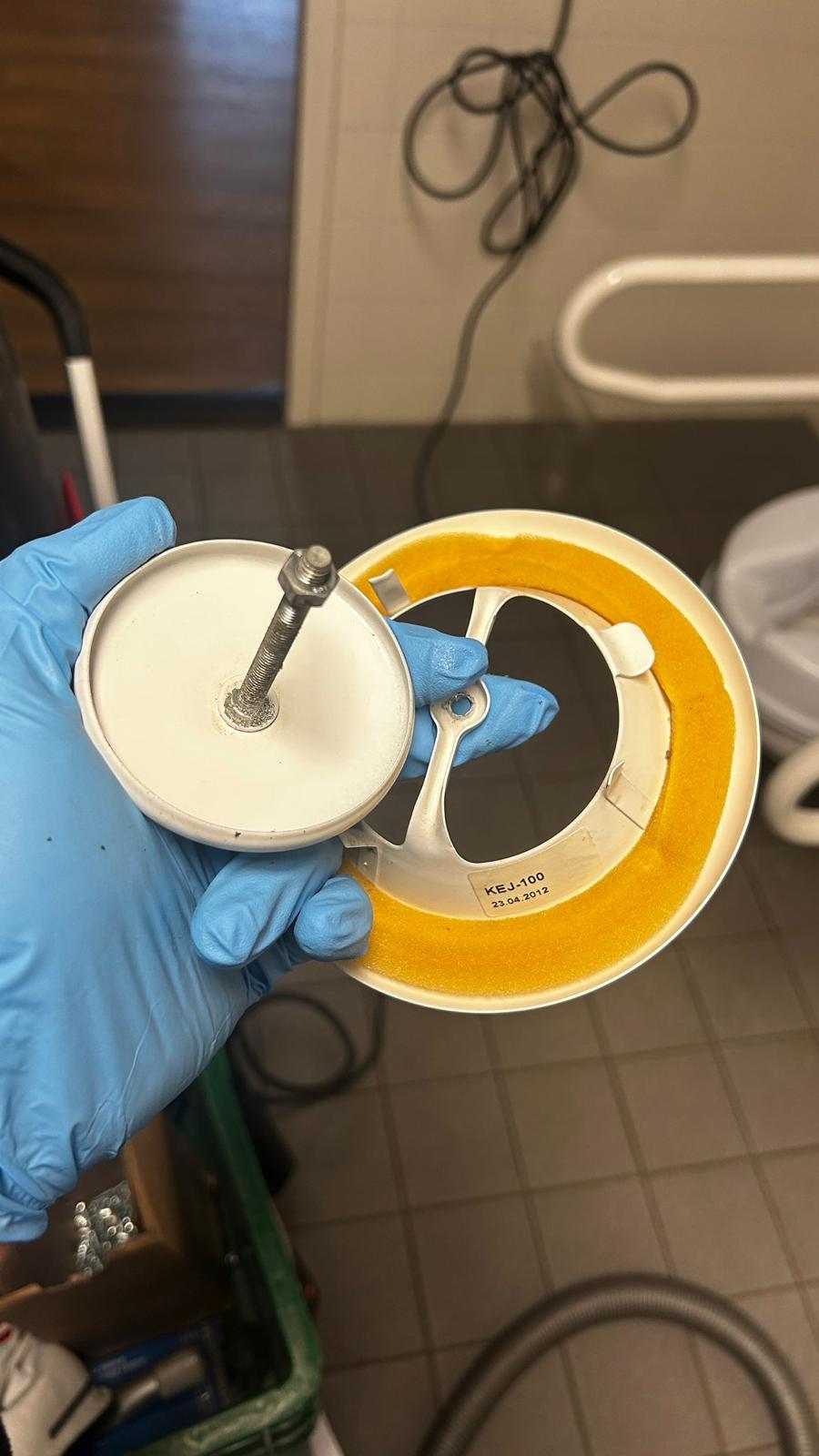
Disassembled ventilation valve with separate components
Circular ventilation opening with heavy buildup inside the duct
Removed ventilation valve showing retaining pins

The photos show what we encounter in a home. They do not show a cleaning result and are not evidence of a completed assignment.

Questions

Frequently asked questions

The questions we are asked most often by homeowners, tenants and individual HOA members.

How do I know whether my ventilation system needs cleaning?

You do not have to wait until something goes wrong. A visible dust layer on the valves, a grinding sound when opening them, or less extraction in the bathroom and kitchen are reason enough to request an assessment. We then look at the system and the photos you send.

Can I get a fixed price up front?

Yes. Based on your photos we fix the scope with a fixed price up front. That price does not change without your approval. If we encounter extra work along the way, we discuss it with you before carrying it out.

Do I need to be home during the work?

For most homes we need access to the technical room and to the rooms with the grilles. The rest of the home does not need to be cleared. For an MVHR installation the technical room is required, because that is where the unit is.

Can the ducts in my home be reached?

That differs per home. We clean ducts that can be reached through an inspection opening, a technical room or a ceiling. Ducts that can only be reached through a service shaft or a cut opening fall outside scope. We tell you in advance, so there are no surprises.

Is the heat exchanger of my MVHR installation cleaned as well?

No. The heat exchanger itself is not opened; that is only possible with a specialist treatment and without damage. We do clean the ducts, the valves and the filter section around the unit.

May I replace the filters myself?

Yes, and we recommend it. Check the filters in the filter section and replace them according to the manufacturer's schedule. We assess the filter condition and advise which filters you need; we only replace them ourselves if that is explicitly part of the agreed scope.

I am a tenant. Is this even allowed?

In a tenant situation you usually depend on permission from the landlord or the HOA. Request that permission first, preferably with the photos and the scope we send you. As soon as you have it, we can carry out the cleaning.


Quote

Request a quote for your home

Send photos of the rooms with the grilles and of the technical room. We assess accessibility and contamination and come back with a concrete scope and a fixed price. Prefer to talk it through first? Feel free to call us and we will look at the situation together.