

Do you also clean grease ducts or kitchen extraction?
No. This page covers ventilation and extraction without grease. For grease ducts, extraction hoods and kitchen extraction we refer you to the hospitality extraction service.
Ventilation cleaning · industry & warehouses
In a production hall or warehouse the air is often loaded with process dust, loading dust or cardboard dust. That contamination settles in ducts, fan housings and filter sections, while the work position is regularly high up or behind a closed door. We clean the network after a prior inspection and on a schedule that fits your operations.
Back to ventilation cleaning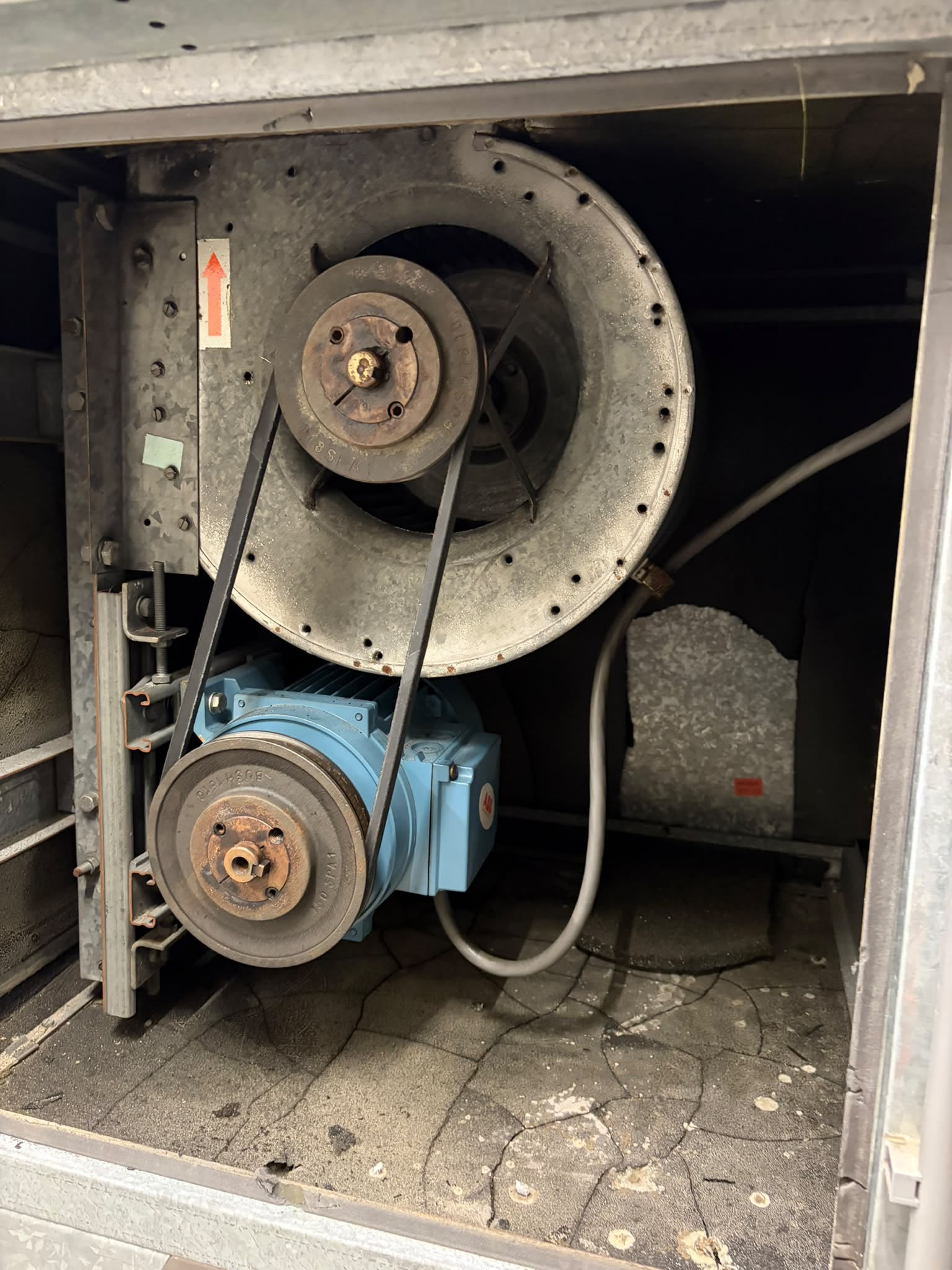
Industrial buildings combine older installations with processes that change quickly. Which components are dirty, how accessible they are and what is technically possible differs per site. That is why we start with an inspection and a technical assessment, not with a standard price list.
This page covers ventilation and extraction systems that are not greasy: process dust, wood dust, cardboard dust, welding fume residues and the like. For grease ducts, extraction hoods and kitchen extraction we refer you to the hospitality extraction service.
We work intake-first: you send photos, drawings or duct layouts and details about the processes. We assess accessibility, height and material, then come back with a concrete scope, a fixed price and a schedule. Inaccessible points are named, not silently skipped.
This page covers ventilation and extraction systems with process dust: cardboard dust, wood dust, production dust and the like. Grease ducts, extraction hoods and kitchen extraction fall under the hospitality extraction service and are not covered here.
We work with the existing installation and the available technical access, not with new building modifications.
Accessibility and work positions
Inspection hatches and doors: we work from the existing openings and close them again afterwards.
Height: work positions above 2.5 metres are assessed for a scaffold, mobile platform or a technical solution.
Cherry picker or aerial lift: whether one is needed depends on height and accessibility; we agree that with you in advance.
Enclosed technical rooms and cellar or ceiling voids: only with safe access and once the space has been released.
Existing installations: we work with the materials and structures already in place, not with new building modifications.
You send photos, drawings or duct layouts and details about the processes, occupancy and access arrangements.
We look at the system type, the reachable runs, the height and the expected contamination. Inaccessible or unsafe points are named.
You receive a fixed scope, a fixed price per installation and a schedule. Stop moments, lockout and safety arrangements are fixed in advance.
We work with our own safety plan, lockout and connection to your operations. Work above an occupied space is only carried out once that space has been released.
Afterwards you receive a photo report and an overview of what was carried out, plus advice on the maintenance interval.
Send photos, drawings or a duct layout. We assess accessibility, height and contamination and come back with a concrete scope and a schedule.
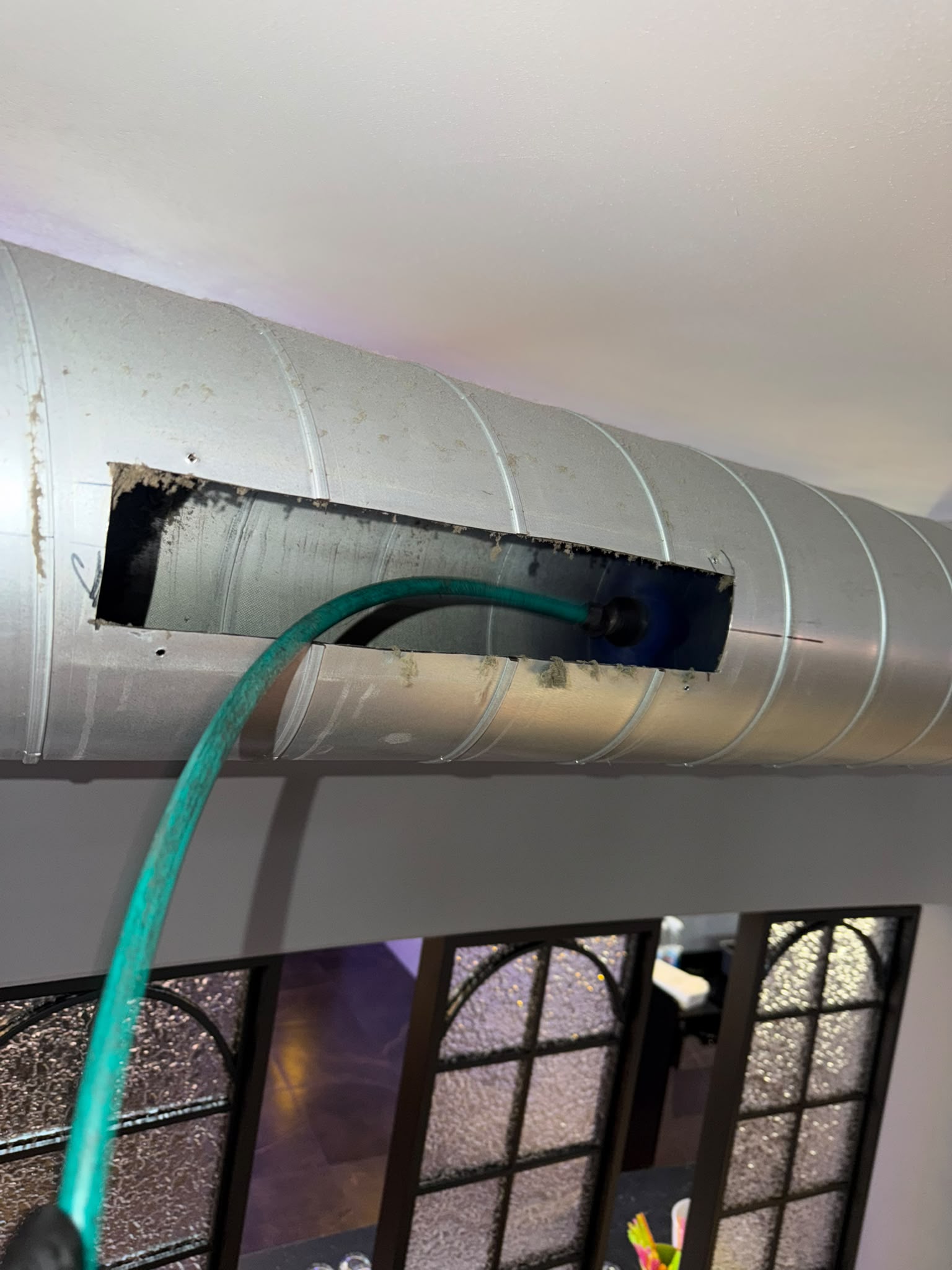
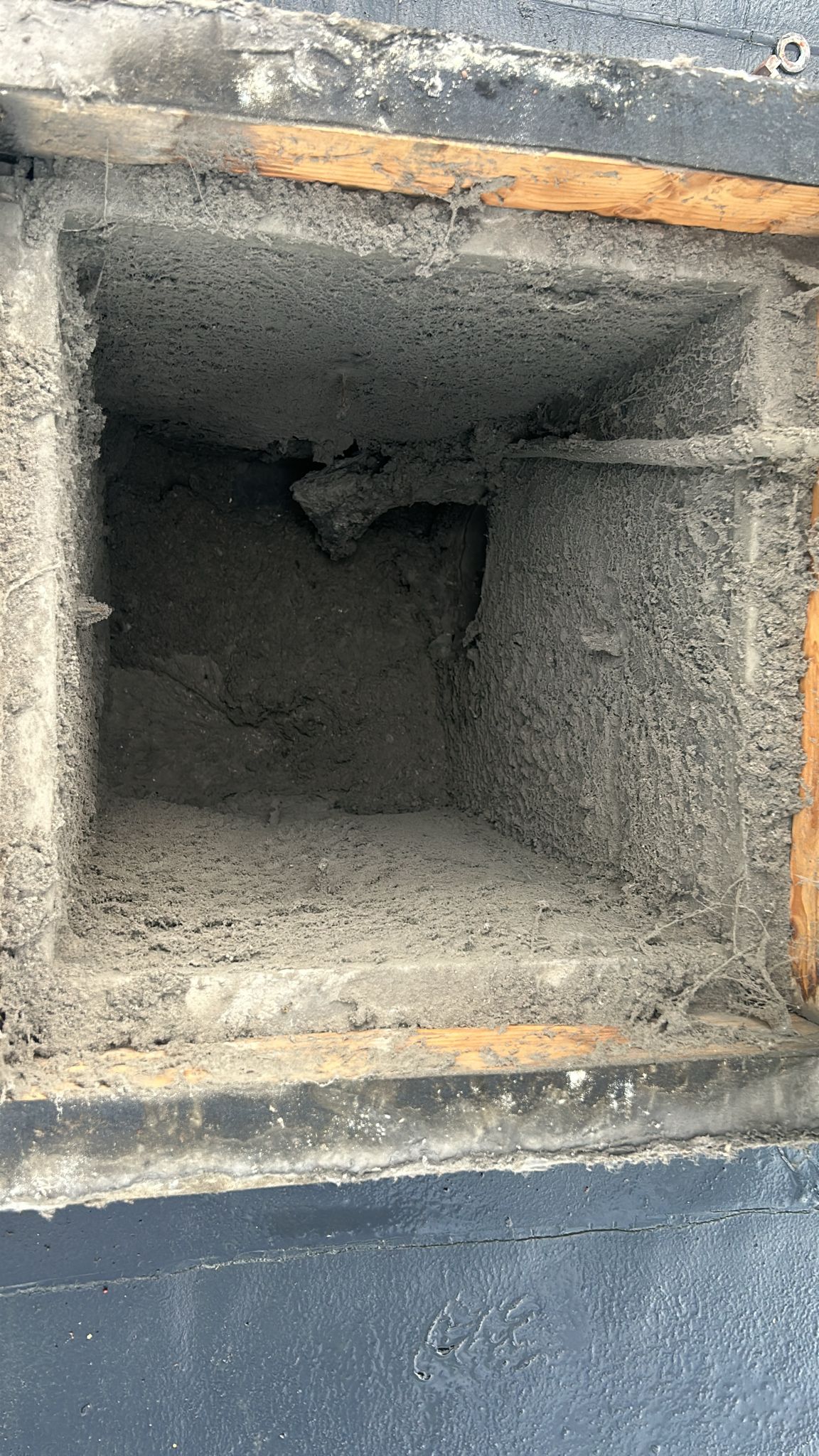
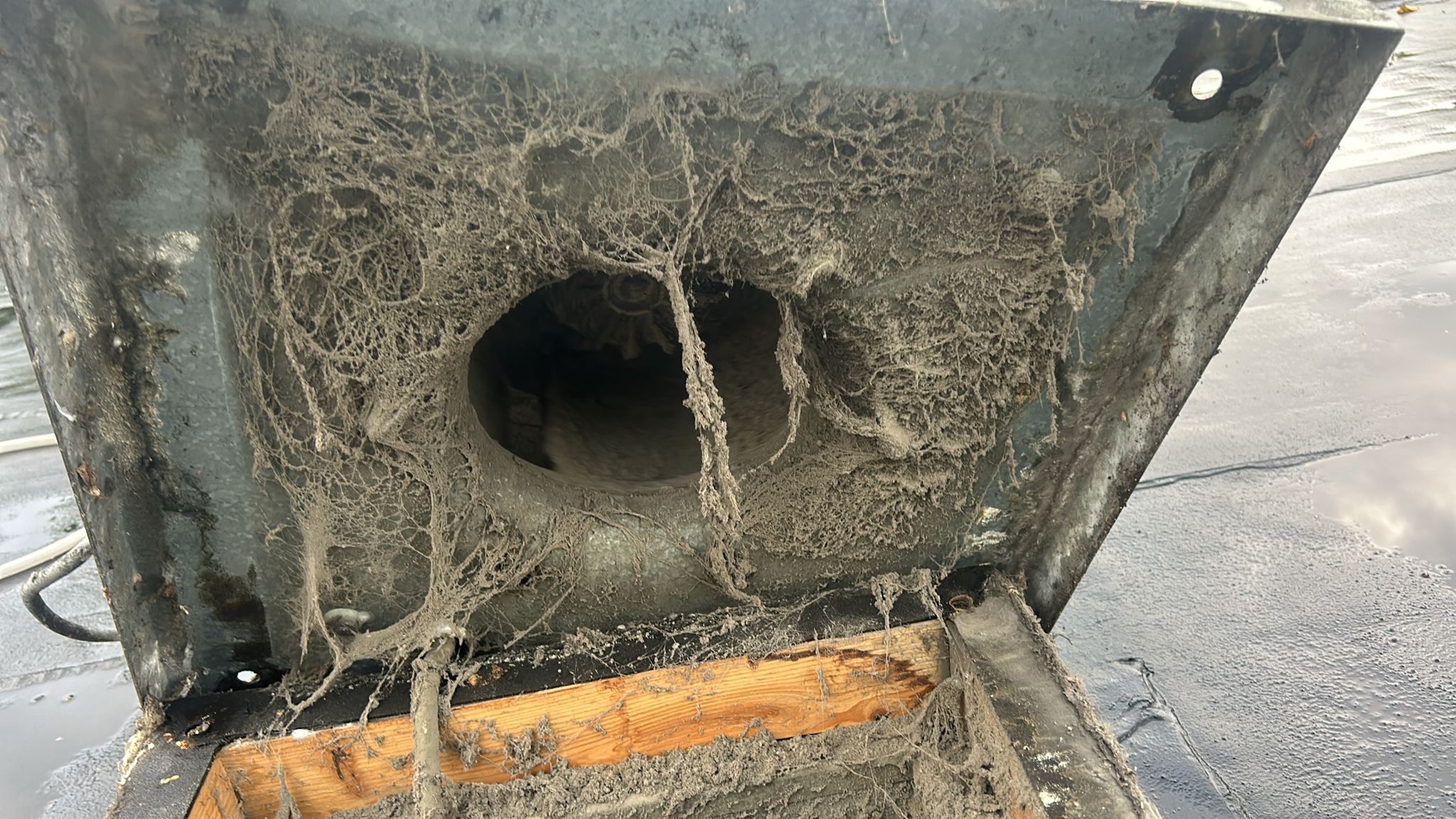
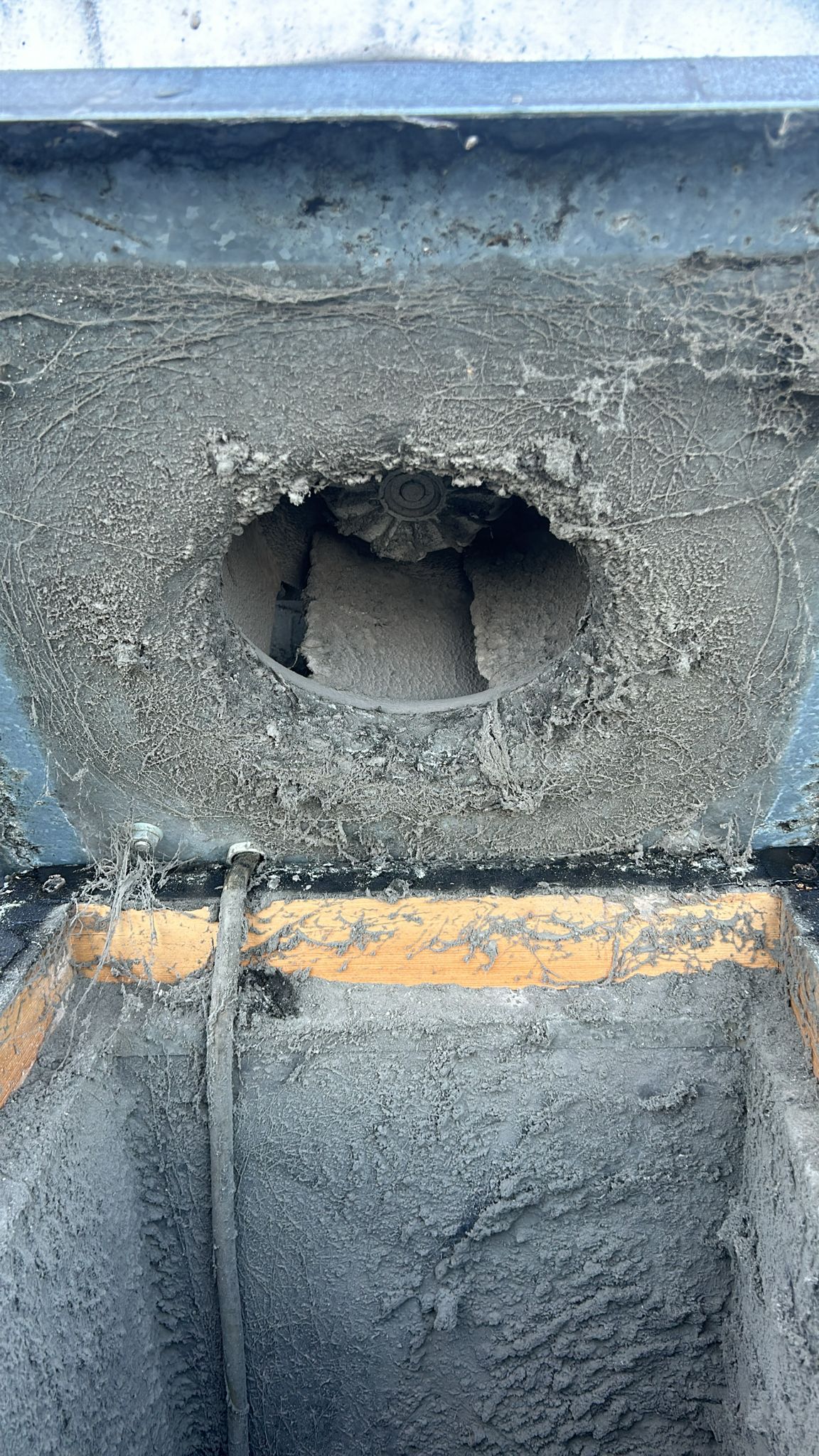
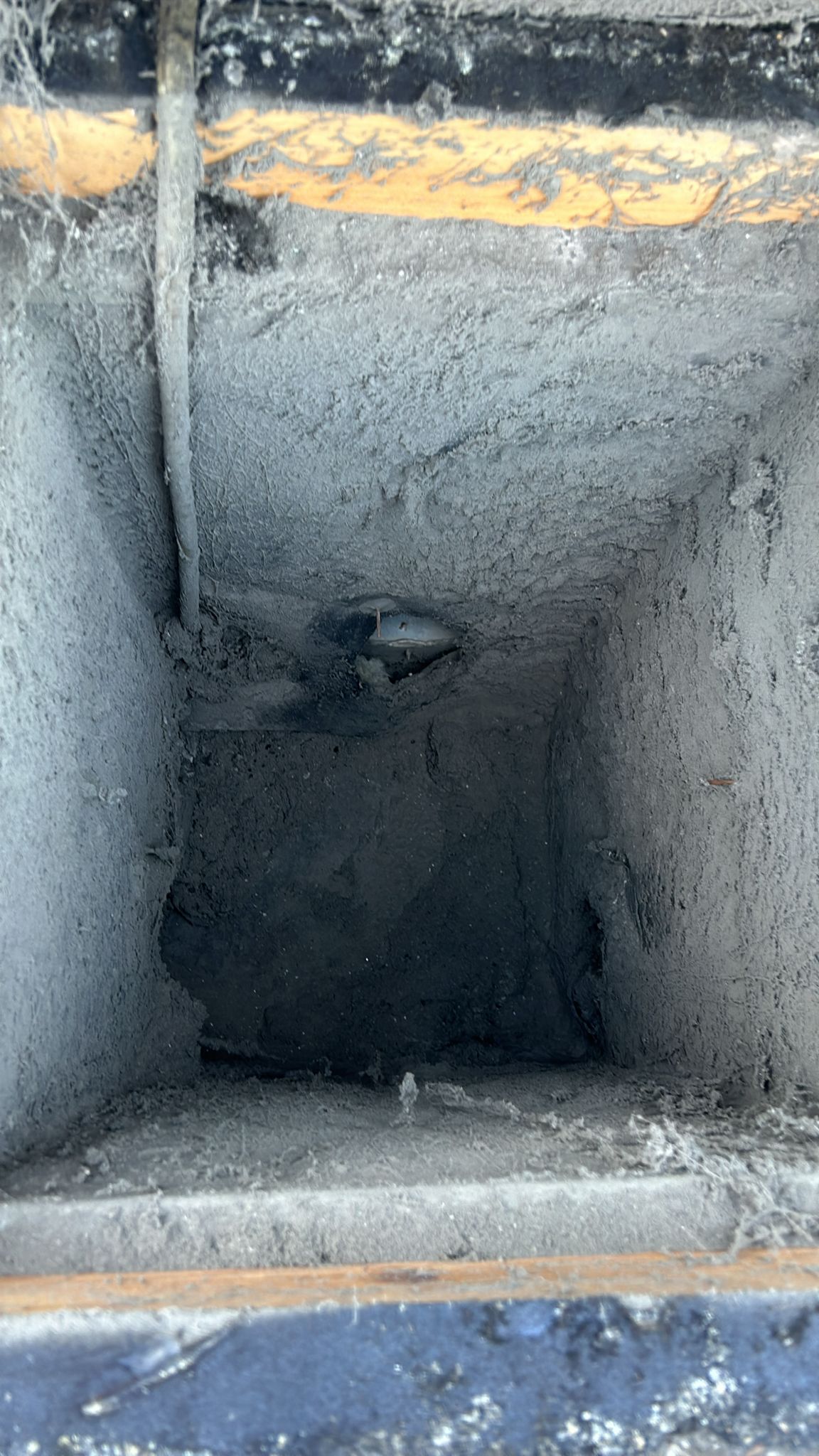
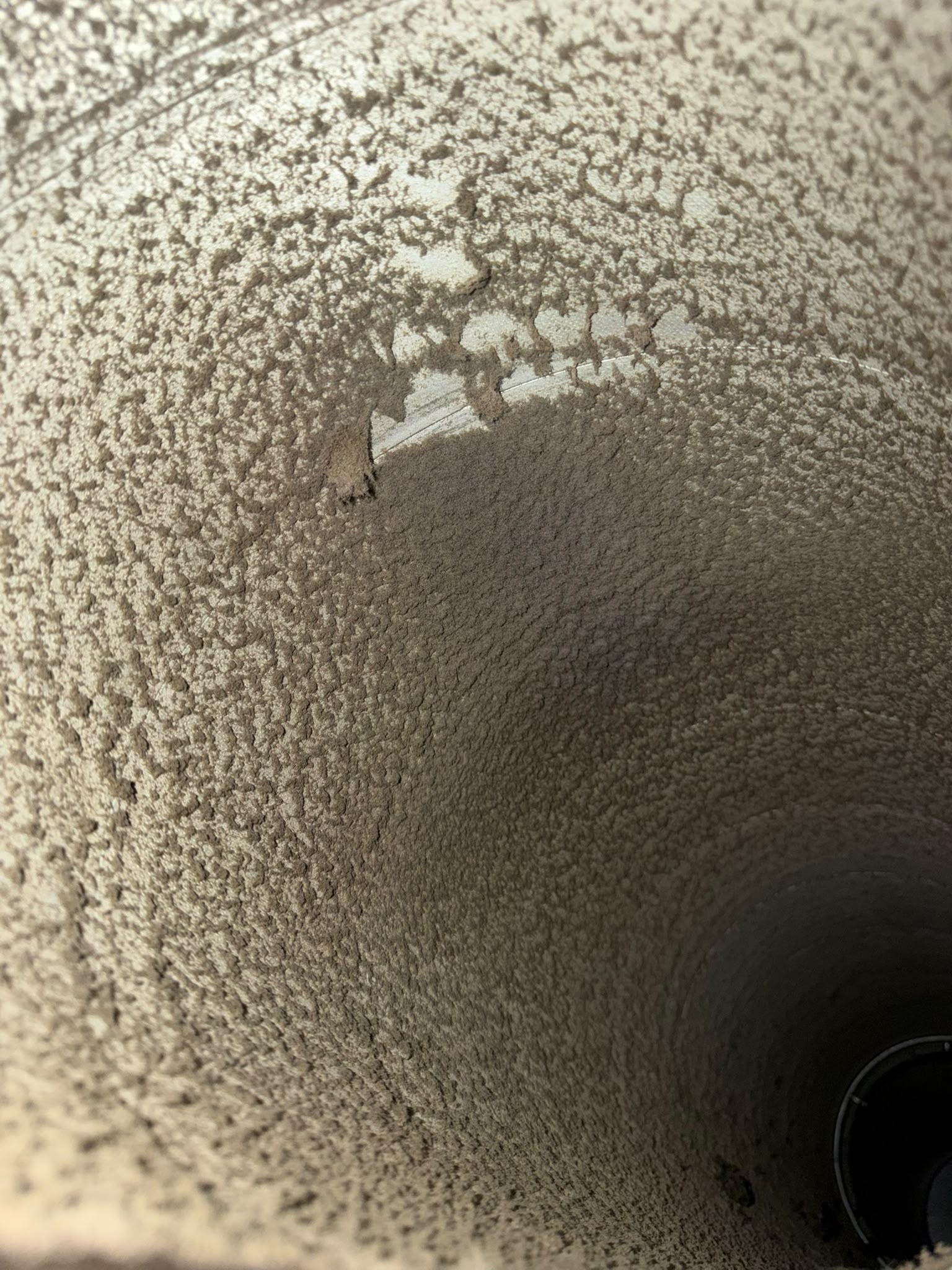
These photos show installation components as we encounter them in practice. They are not intended as evidence of a specific assignment or location; which components can actually be cleaned depends on accessibility and the agreed scope.
Frequently asked questions
No. This page covers ventilation and extraction without grease. For grease ducts, extraction hoods and kitchen extraction we refer you to the hospitality extraction service.
Sometimes, if the space can be released and the process does not have to be interrupted. Often a planned stop is the safest and most responsible option; that is priced separately.
Then we assess whether a scaffold, mobile platform or other technique is needed. We make that clear in advance, including the costs.
We draw up a safety plan and agree lockout and access with you in advance. You remain responsible for your operations and for releasing your staff.
A photo report and an overview of the work carried out, suitable for your technical file or maintenance register.
Request a quote for your industrial installation
Send photos, drawings or a duct layout and tell us briefly about your processes and access. We assess accessibility and height and come back with a fixed scope, a fixed price and a schedule.
Request a quote with photos of your installation. We assess accessibility and height and come back with a fixed scope and a schedule that fits your operations.