

VCA + Grease Hygiene Technician
VCA-certified working method, Grease Hygiene Technician expertise and HACCP-based execution.
Ventilation cleaning · airflow and air handling
We clean ventilation systems, air ducts, grilles and air handling units in offices, shops, schools, hotels, healthcare environments, factories and public buildings. You start with photos and installation details, we assess the technical situation and confirm scope and price up front.
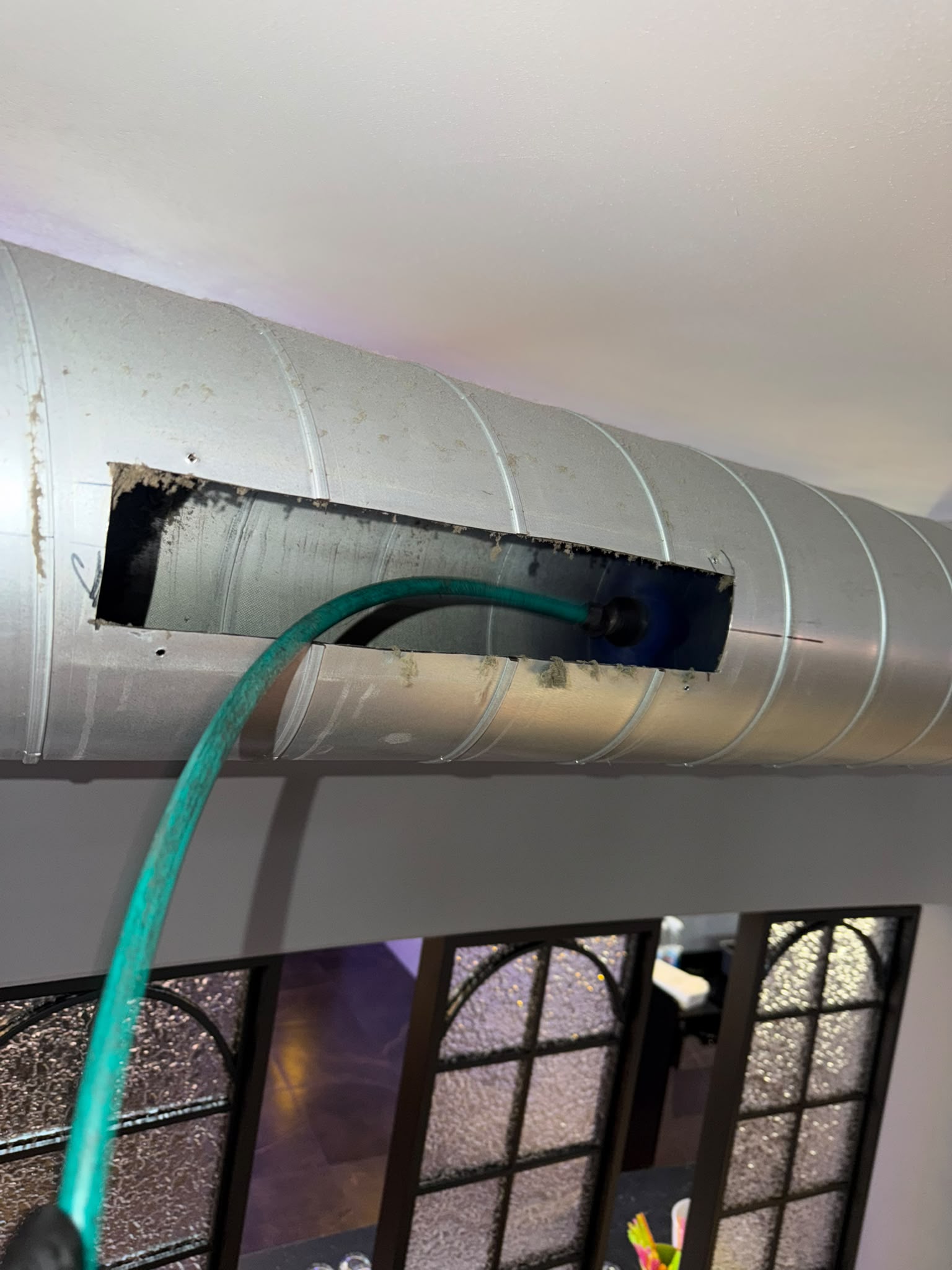
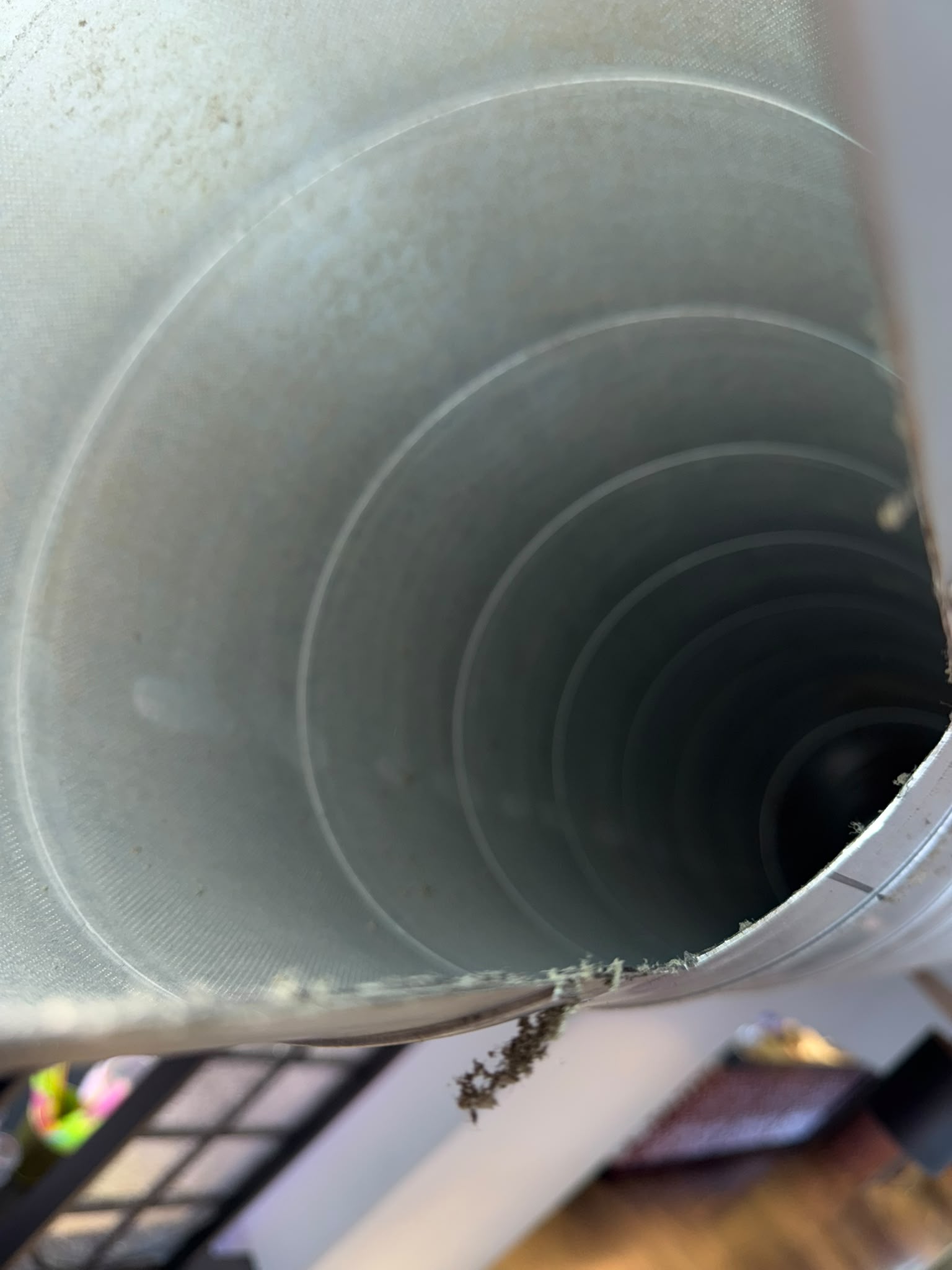
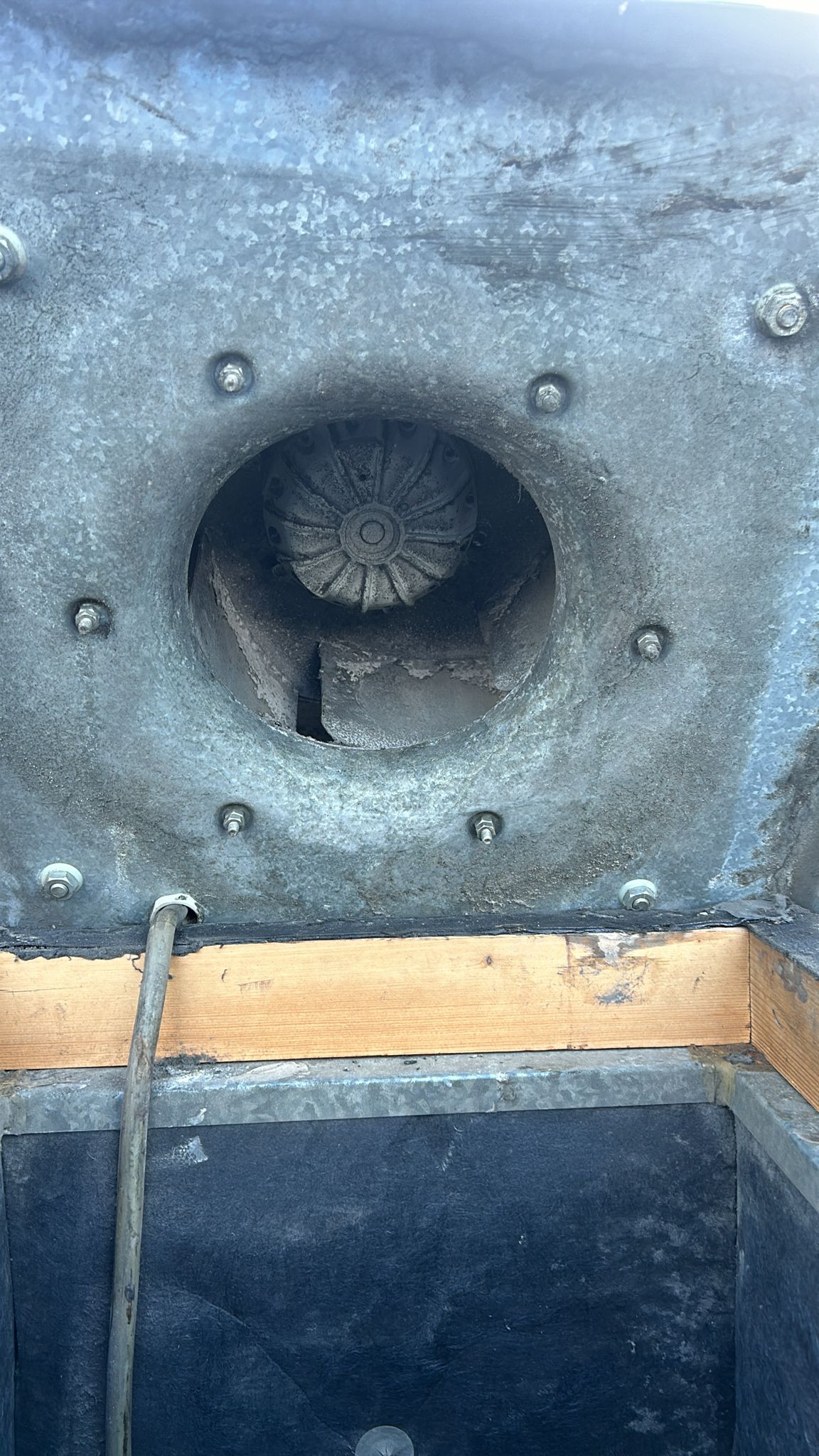
We assess your installation, confirm the scope and give a fixed price before any work starts. Components that cannot be reached or treated safely are named instead of skipped.
Proof for your quote decision
VCA-certified working method, Grease Hygiene Technician expertise and HACCP-based execution.
Registered company with clear business details for professional customers.
Quote and planning for hospitality, commercial kitchens and professional locations in the Netherlands.
Before/after photo proof, an inspection report and grease-layer assessment may be available after completion.
Price based on installation, contamination, access, urgency and complete scope.
A certificate may be available after complete, verifiable cleaning of the agreed relevant components. Grease buildup in extraction systems can increase risk. Professional cleaning helps keep installations easier to manage.
Emergency service, evening work, weekend work and out-of-hours planning available.
Documentation can support insurance questions, landlords, inspections or internal administration.
Overview
A ventilation system moves air through ducts, grilles and air handling units every day. Dust, fibres, pollen and filter residue accumulate along the way and eventually end up in the spaces where your people work, live, learn or recover.
Ventilation cleaning means mapping the airflow path of your building, assessing the contamination, cleaning the accessible components and documenting what was done. We work intake-first, so you know in advance what will and will not happen.
This page is entirely about ventilation and air handling installations. Grease ducts, extraction hoods and hospitality extraction fall outside this page and are covered by a separate service.
Services
Luchtreiniger Pro Horeca performs two different activities. They are often mixed up, but they involve a different contamination, a different technique and a different risk profile.
Hospitality extraction is about grease, fire and hot cooking processes. Ventilation cleaning is about dust, filters, air quality and how air handling performs inside a building. The technique, the planning and the reporting therefore differ.
Cleaning of grease-carrying extraction systems in kitchens, with fire safety as the driver.
Cleaning of non-grease ventilation and air handling installations inside buildings.
Not sure whether you are dealing with grease ducts or ventilation? Send a photo or a short description and we will help you work it out before anything is scheduled.
Services
Not every building has the same installation and not every installation has the same contamination. The services below therefore act as a menu: after intake we agree together which components are actually in scope.
Components that cannot be reached safely or practically are named rather than silently skipped, so you know before and after what has been done.
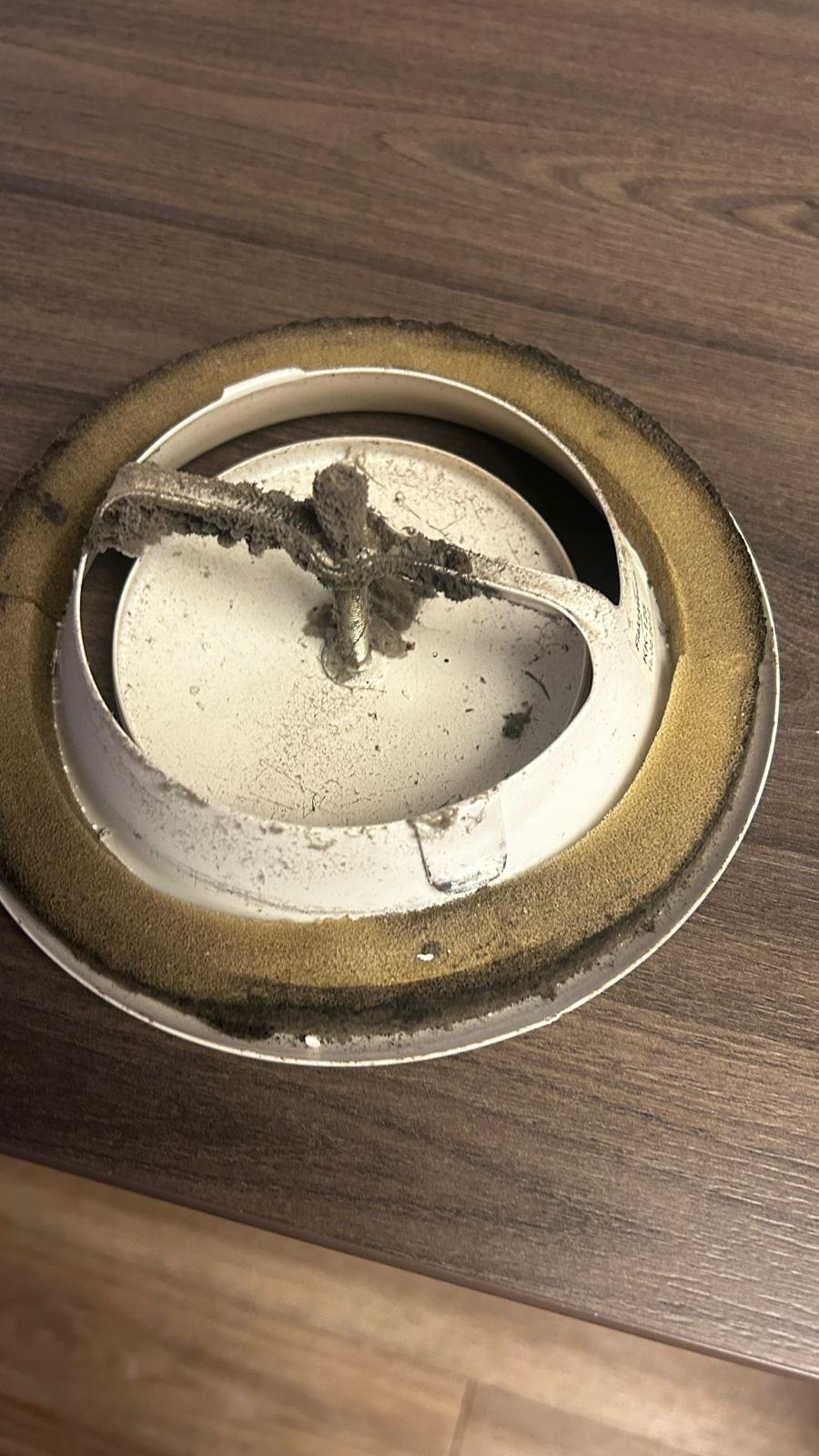
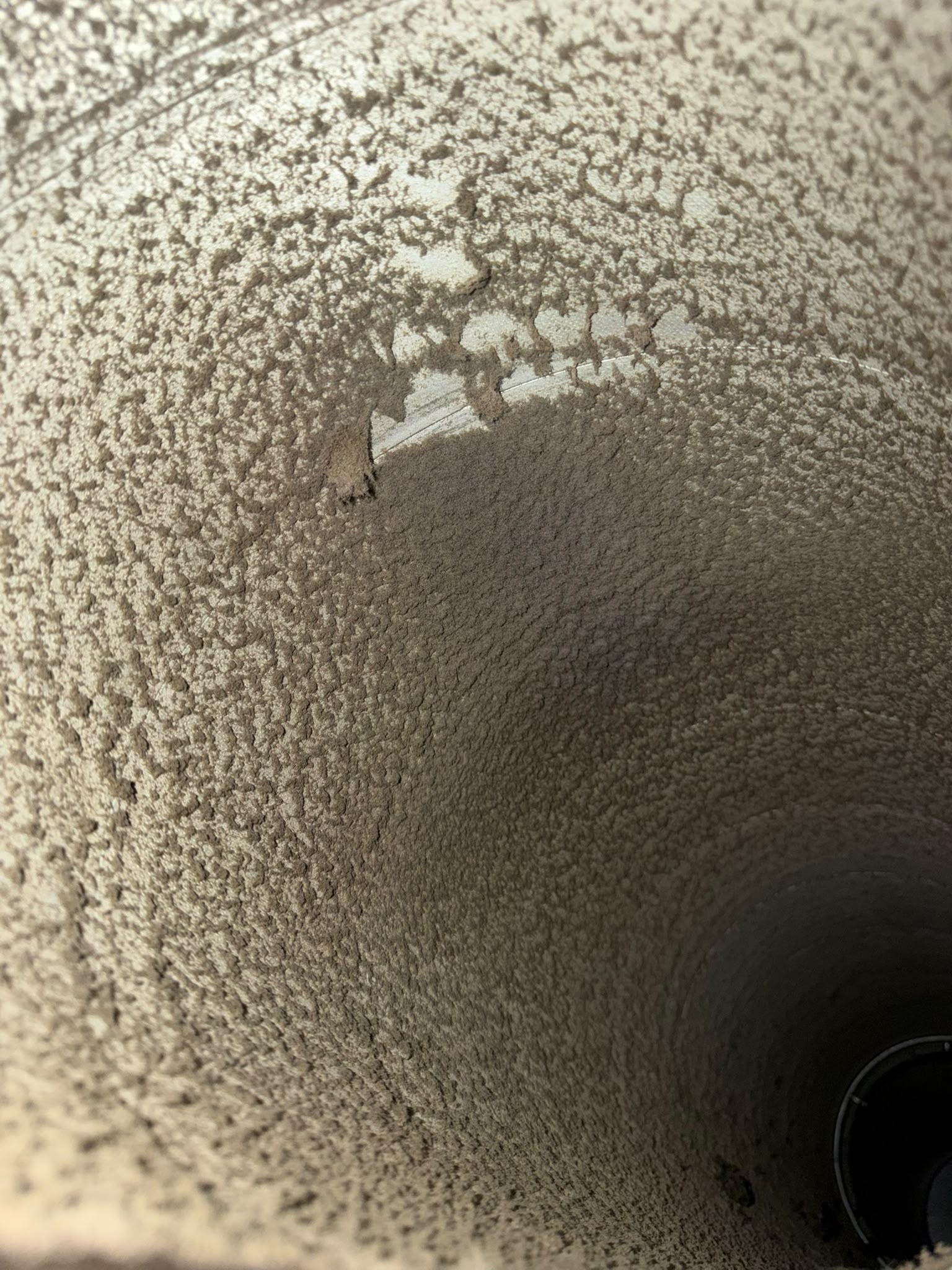
The duct is the air path of the building. Dust, fibres and filter residue settle on the underside and form a thick layer that restricts the airflow.
View the serviceGrilles and diffusers are the visible side of the ventilation system. They catch most of the contamination but are rarely cleaned because it is usually an awkward job.
View the serviceThe fan is the heart of the air handling. A fan impeller covered in dust and fibres loses efficiency and runs harder, and you hear that in the noise level.
View the serviceMechanical ventilation consists of many small components that together form the system. Every contaminated component reduces the throughput of the whole.
View the serviceThe air handling unit is the central point of the installation. What happens here determines the air quality in all the rooms behind it.
View the serviceAn MVHR installation reuses air inside the home. That saves energy, but it also means dust and fibres usually circulate through the system several times before they are discharged.
View the serviceSometimes cleaning is not yet the priority and a proper assessment is the first step. We show where the contamination is, what is reachable and what it costs to bring it in order.
View the serviceOne large clean-up afterwards is more expensive and less effective than a fixed frequency. We align a maintenance plan with usage, occupancy and filter type.
View the serviceFilters are the contamination-capturing layer of your installation. They fill up, then perform less well, and are then often replaced too late.
View the serviceAudiences
The technical approach differs per building, the execution does not: assess first, agree second, then clean and report.
A home ventilation system runs all year. Dust and fibres stay behind in the ducts and around the valves, and you notice it in the air, the noise and the energy use.
In an office or business space the air handling is often central. One contaminated main duct ends up in every room, which is exactly why regular cleaning pays off.
In industrial buildings the air is often loaded with production, process or loading dust. That ends up in the ducts and the air handling, and the working position is regularly high up or inside a closed technical room.
Public buildings have a formal maintenance regime and stay accessible during the work. That requires tight planning, a clear agreement with the manager and reporting that is directly usable.
In a healthcare environment ventilation is not a standalone job but part of a managed process with hygiene requirements, vulnerable users and strict access rules.
In a data centre air handling is part of a tightly managed process. Access, temperature and business continuity determine when work can happen and how.
In a school or hotel air enters daily with large numbers of people. The spaces are rarely cleaned at duct level, while the occupancy is at its highest.
In an apartment complex or business building the air handling is usually shared. One contaminated branch ends up in every home or unit.
Categories
The six categories on this platform each have their own approach, access rules and conditions. Choose your category to see what we can do for you, or send photos for a tailored assessment.
A home ventilation system runs all year. Dust and fibres stay behind in the ducts and around the valves, and you notice it in the air, the noise and the energy use.
View categoryIn an office or business space the air handling is often central. One contaminated main duct ends up in every room, which is exactly why regular cleaning pays off.
View categoryIn industrial buildings the air is often loaded with production, process or loading dust. That ends up in the ducts and the air handling, and the working position is regularly high up or inside a closed technical room.
View categoryPublic buildings have a formal maintenance regime and stay accessible during the work. That requires tight planning, a clear agreement with the manager and reporting that is directly usable.
View categoryIn a healthcare environment ventilation is not a standalone job but part of a managed process with hygiene requirements, vulnerable users and strict access rules.
View categoryIn a data centre air handling is part of a tightly managed process. Access, temperature and business continuity determine when work can happen and how.
View categoryHow it works
Five steps, no surprises. You always know what you are getting and what you can rely on.
You send photos or short videos and tell us which building, which system and what the question is. Think filters, visible contamination, a specific complaint or an upcoming maintenance moment.
We assess the system type, accessibility, the extent of the contamination and the constraints of your building. In complex or sensitive environments this assessment always happens before execution.
You receive a concrete scope and a fixed price beforehand. What will and will not be done is recorded in writing, including components that cannot be reached or treated safely.
We schedule the work outside peak moments, protect the surroundings and work in the agreed order. The facility manager knows what is happening and when.
Afterwards you receive an overview of the work carried out, photo proof and advice on frequency, filters and any follow-up steps.
Field documentation
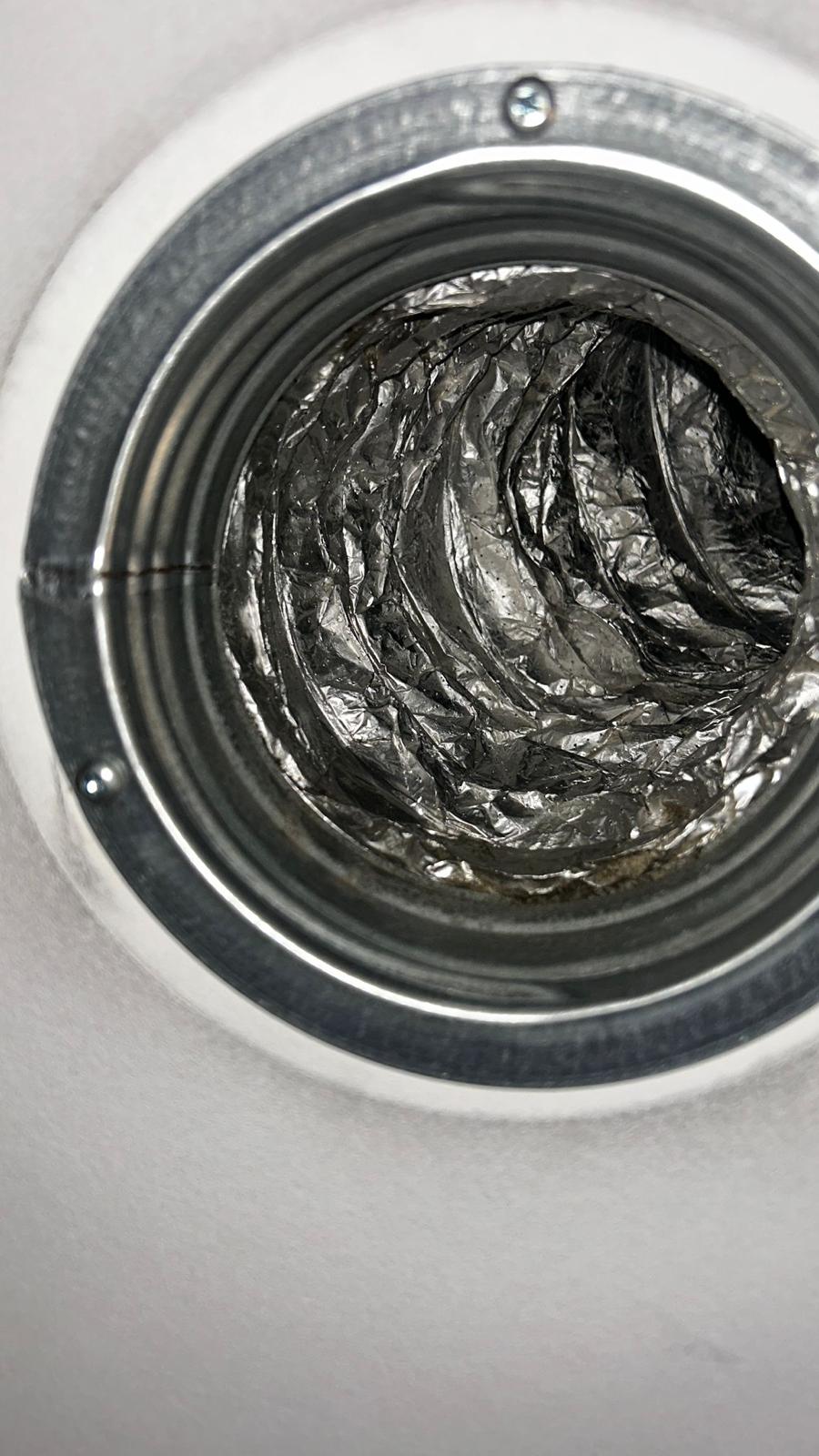
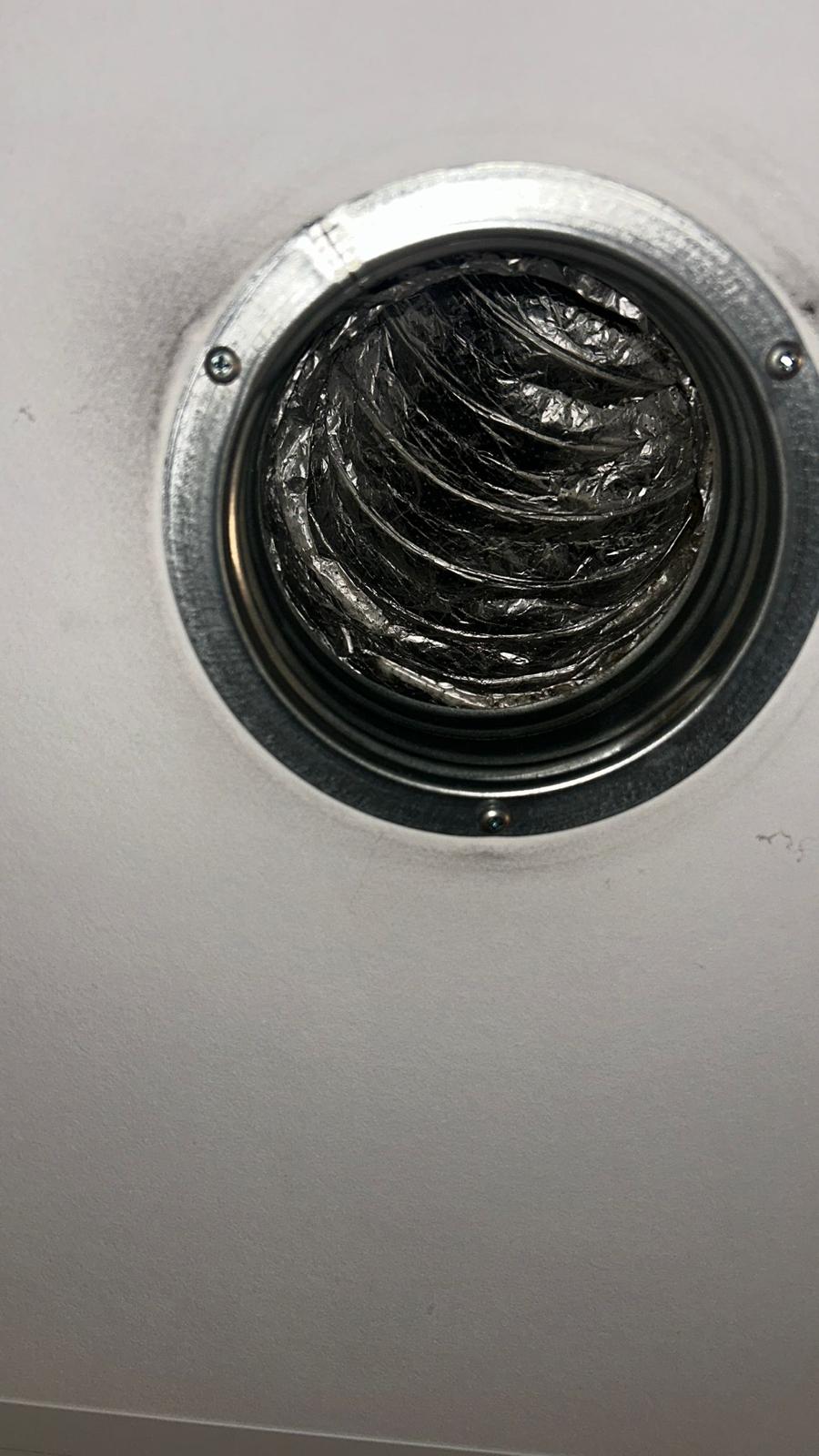
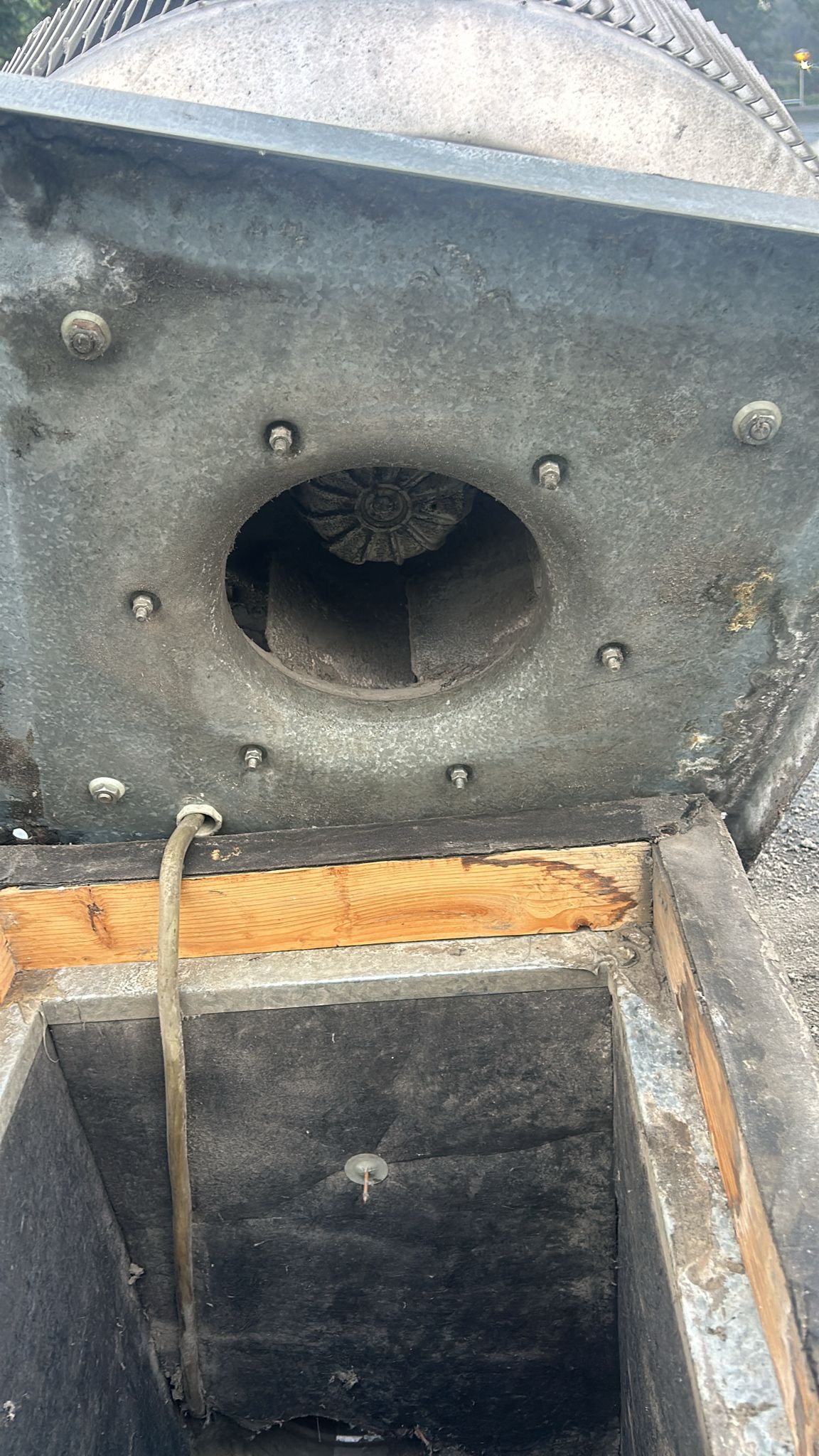
These photographs show the air path as we encounter it in practice: dust, fibres and build-up on the components that contaminate the most. They are not intended as evidence of a specific assignment or location. Which components can actually be cleaned depends on accessibility and the agreed scope.
Installations
Most professional buildings combine several components. During intake we map which components exist in your building, which are accessible and which fall within the agreed scope.
The list below shows what we commonly encounter. It does not mean every component is present in every job, or that every item is treated.
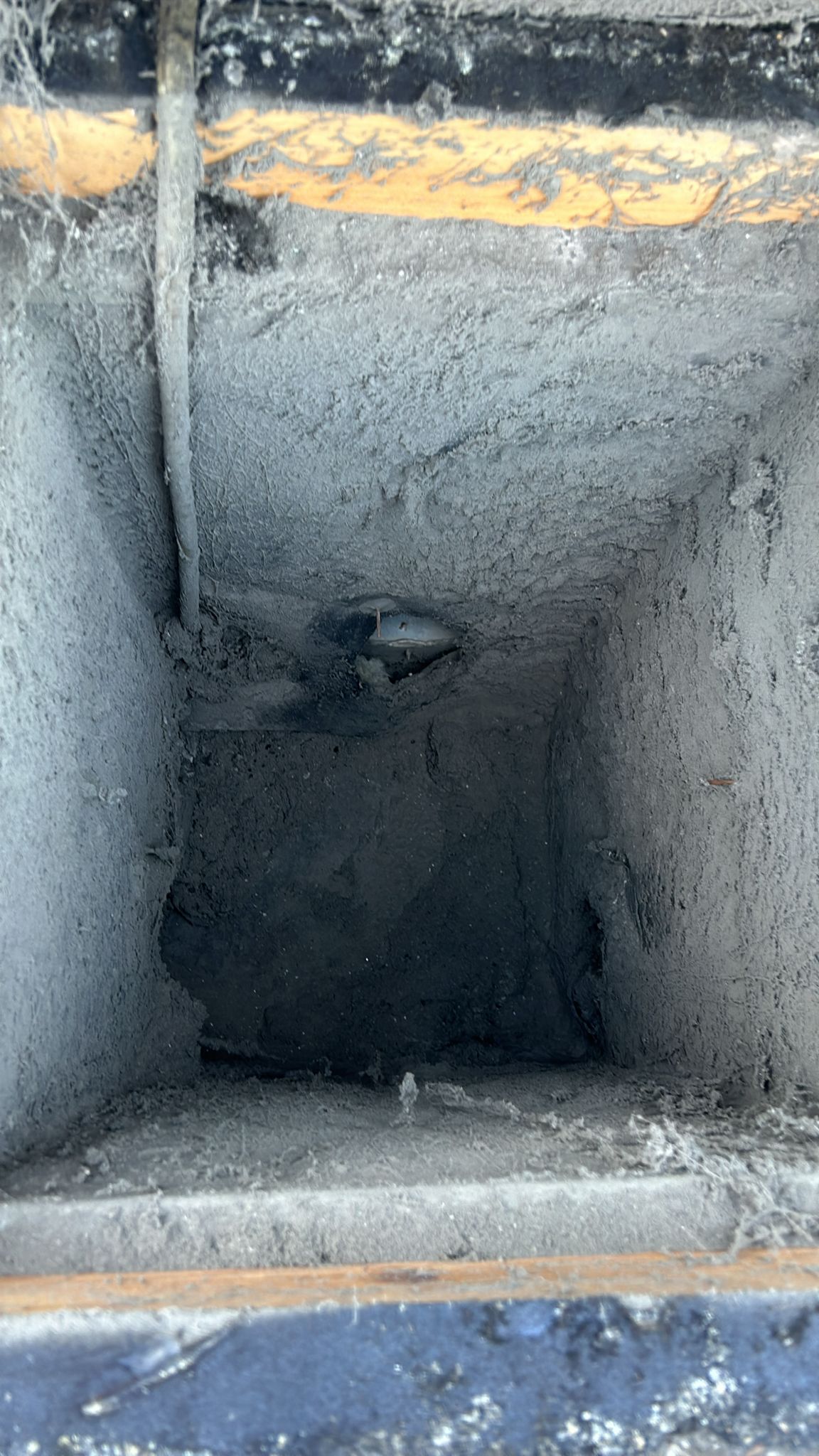
Control technology, sensors, electrical installations and fire dampers are assessed by us for accessibility and contamination, but are not adjusted or dismantled unless that is explicitly part of the agreed scope and has been aligned separately.
Sensitive sites
In a data centre, hospital, server room or laboratory, ventilation cleaning is rarely a standalone job. Air handling is part of a managed process with its own rules, its own security and its own planning.
We therefore never execute a standard cleaning. The situation is technically assessed first, and scope, working method and access conditions are aligned on site. Only then do we execute.
This page describes how we approach these environments. It is not a statement that we are qualified or approved for every critical environment. That is assessed per assignment.
We do not guarantee specific certification, permits, accreditation or approval for hospitals, data centres, laboratories or other critical environments. Such requirements are mapped in advance; we deliver the cleaning and the reporting within the agreed scope.
FAQ
Practical answers about scope, planning, price and what you can expect from us.
Grease duct cleaning covers grease-carrying extraction systems in kitchens, driven by fire safety. Ventilation cleaning covers non-grease air and air handling installations in buildings, driven by dust, filters and airflow. We perform both, with a separate working method and a separate scope.
That depends on your installation and accessibility. In practice it involves ducts, grilles and valves, the air handling unit, ventilator units and the filter section. Only components that are agreed and technically accessible are in scope.
Signals include visible dust on grilles, increased contamination around the filter unit, a musty smell, higher energy use, or a system that has not been cleaned for years. If you are unsure, send photos and we will assess whether cleaning is worthwhile and how much work it involves.
Filter replacement is part of our services. During the assessment we review the filter situation and advise on type, condition and timing. Supply and fitting are aligned in advance with your installation.
You send photos and basic details, we assess the installation and accessibility, and we send you a concrete scope with a fixed price up front. You therefore know what you are paying for and what will happen.
Usually yes. For offices, shops and schools we schedule outside peak moments, for example in the evening, at weekends or during a holiday period. For business-critical or 24/7 environments we agree a suitable window.
A stricter regime applies. We assess the situation technically first and agree scope, planning, access conditions and protocols with the manager upfront. Execution takes place after that assessment, within the agreed conditions.
Yes. Afterwards you receive an overview of the work carried out, photo proof of the accessible components and, where needed, reporting that you can use in your own maintenance file.
That depends on usage, occupancy, dust load and filter type. A periodic maintenance plan prevents you from depending on one large clean-up. We align the frequency with your situation.
Yes. A maintenance plan provides fixed moments, agreed scope per visit and clear reporting. That makes budgeting easier and prevents maintenance from being postponed.
We work across the Netherlands. For larger assignments with multiple locations or a long-term relationship, we also discuss a maintenance programme with fixed visit moments.
Quote
Send photos of the installation and briefly describe what you would like cleaned. We assess the situation and come back with a concrete scope and a fixed price.
Leave your details and we will contact you with a focused quote based on your installation.
Send photos or book an assessment. You will get a clear scope and a fixed price before any work starts.